Zones in the Living Room – How to Create Flow Without Making the Space Feel Divided

Zones in the Living Room – How to Create Flow Without Making the Space Feel Divided
In many American homes, the living room is the heart of daily life — a place to relax, entertain, work, and gather with family. But when one room serves so many purposes, it can be tricky to balance function and flow. The key lies in creating zones that define how the space is used, while still feeling cohesive and open. Here’s how to design a living room that feels both organized and connected.
Start by Reading the Room
Before rearranging furniture, take a moment to observe how you naturally use the space. Where does the light fall during the day? Which areas do you walk through most often? Where do you tend to sit or spend time?
By understanding the room’s natural rhythm, you can place zones in ways that feel intuitive. A sofa facing a window might create a calm lounging area, while a table near the kitchen can serve as a convenient dining or work spot. Let the room’s flow guide your layout.
Use Furniture to Define Zones — Not Walls
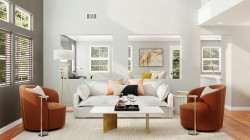
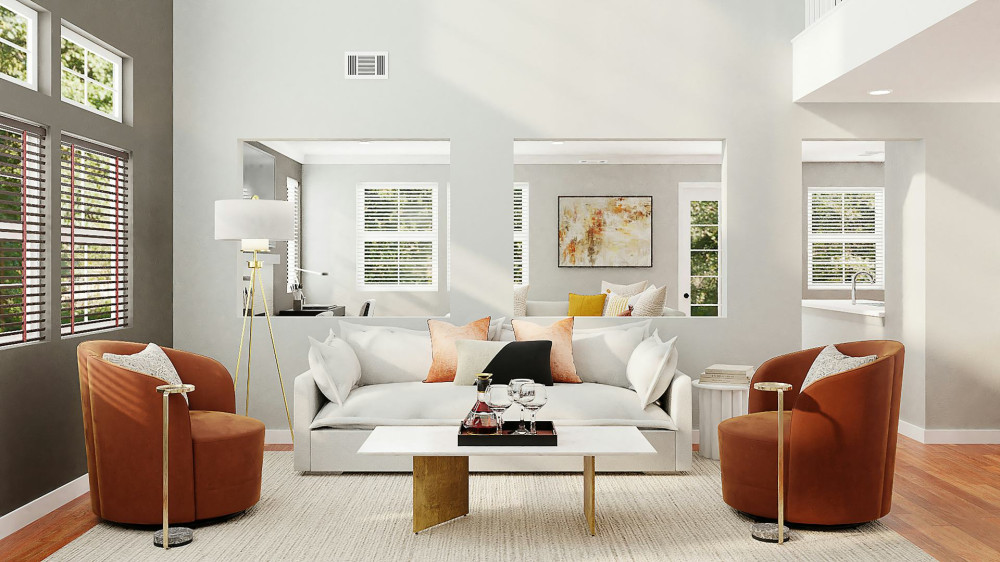
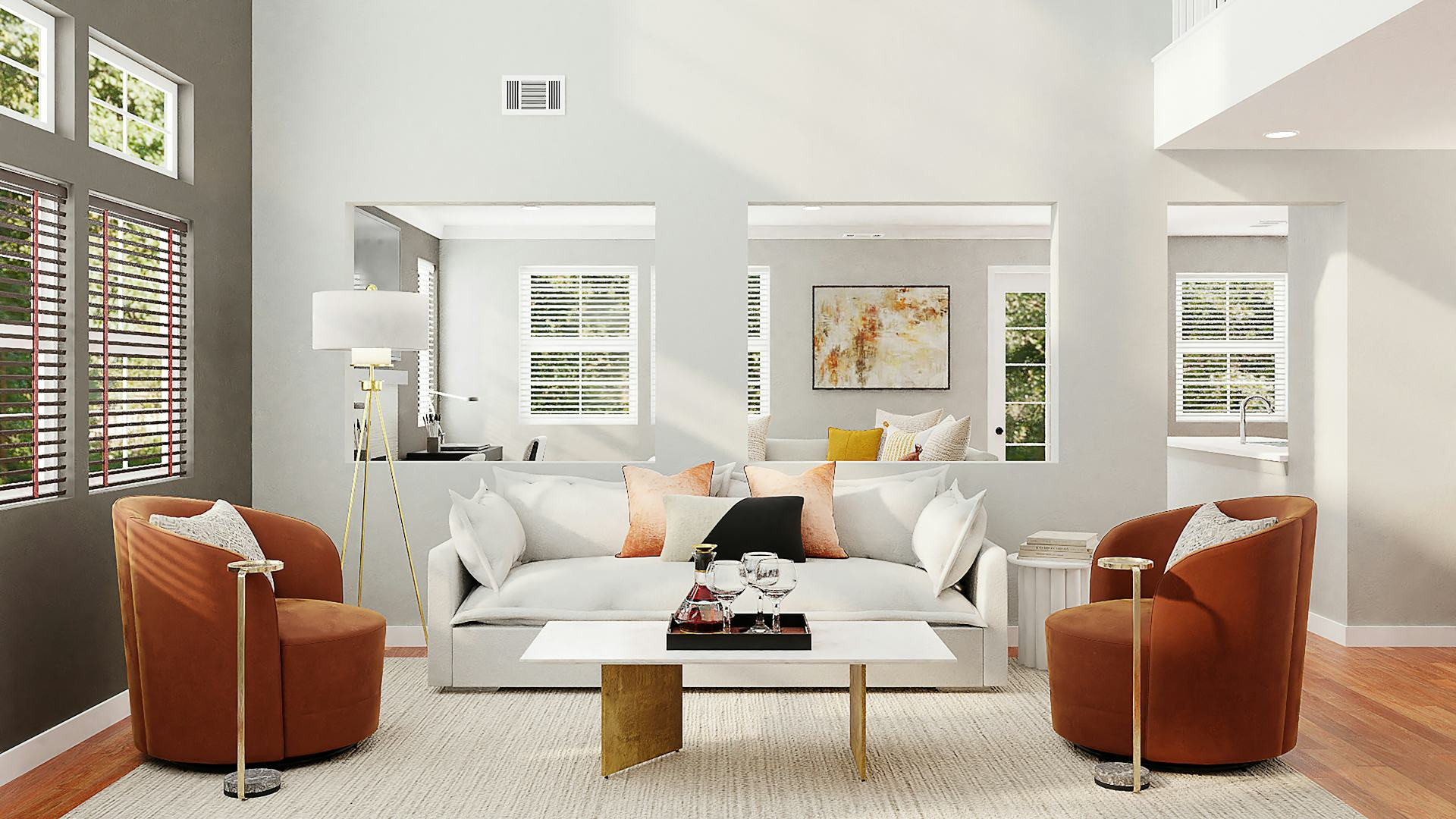
Instead of using screens or bulky dividers, let your furniture subtly mark each area’s purpose. A sectional with its back to the dining table can signal where the living zone begins, without closing off the space.
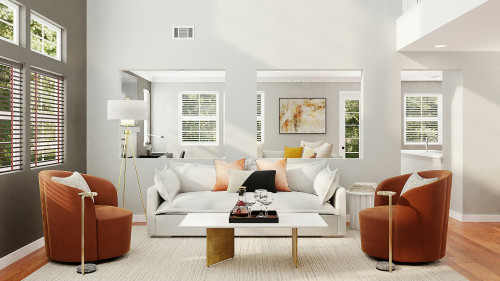
Rugs are another powerful tool. A textured rug under the coffee table or dining set visually anchors each zone. Choose different patterns or materials, but keep the color palette consistent to maintain harmony.
Create Cohesion Through Color and Materials
When working with zones, consistency is key. A unified color scheme ties everything together, even if each area has its own personality. Try using variations of the same hue — perhaps a deeper tone in the reading nook and a lighter one in the main seating area — to create subtle contrast without fragmentation.
Repeat materials across zones as well. If you use oak in your coffee table, echo it in a bookshelf or picture frame. A few recurring textures — like linen, leather, or brass — help the eye move smoothly through the space.
Let Lighting Set the Mood
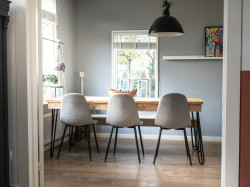
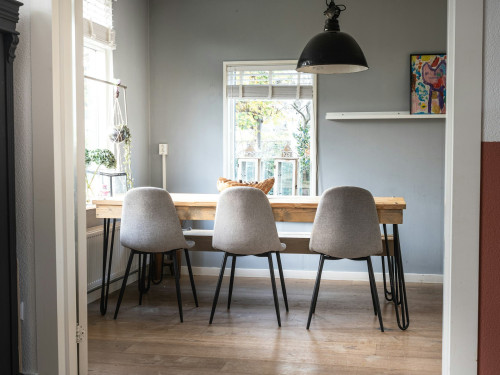
Lighting is one of the most effective ways to define zones while keeping the room cohesive. A pendant over the dining table, a floor lamp beside the sofa, and a table lamp near a reading chair each create distinct atmospheres.
Think in layers: combine ambient, task, and accent lighting to make the room adaptable. Dimmable fixtures or smart bulbs can help you shift from bright and functional during the day to warm and cozy in the evening.
Keep It Flexible
Modern living rooms often need to multitask — from movie nights to remote work. Choose furniture that can move or adapt easily. A lightweight side table can double as a laptop stand, while nesting tables or ottomans with storage make it easy to reconfigure the space when guests arrive.
Rolling carts, modular shelving, or foldable chairs can also help you adjust the layout without losing the sense of order.
Use Greenery as a Natural Connector
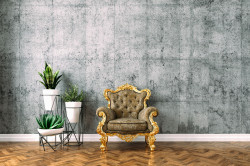
Plants are a simple way to soften transitions between zones. A tall fiddle-leaf fig or snake plant can act as a gentle divider between the dining and seating areas, while smaller plants on shelves or window sills tie the space together.
Beyond their visual appeal, plants bring life and freshness to the room — a reminder that even in a structured layout, nature adds warmth and ease.
Leave Room to Breathe
When creating zones, it’s tempting to fill every corner. But negative space is just as important as furniture. Open areas give the eye a place to rest and make the room feel larger and calmer.
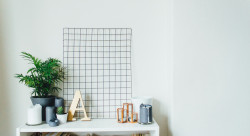
Allow for small “pauses” between zones — a blank wall with artwork, an uncluttered corner, or simply a stretch of open floor. These breathing spaces help maintain balance and prevent the room from feeling crowded.
Læs også:
One Room, Many Purposes — One Cohesive Whole
Designing zones in your living room isn’t about dividing it up; it’s about giving it rhythm and purpose. When color, materials, and lighting work together, each area feels distinct yet connected. The result is a space that adapts to your lifestyle — open, inviting, and effortlessly in sync with the way you live.
Læs også: