Practical and Pretty: How to Make Function and Aesthetics Work Together

Practical and Pretty: How to Make Function and Aesthetics Work Together
A home should make everyday life easier—and feel good to live in. But how do you balance practical needs with a beautiful design? Many people find that functionality and aesthetics pull in opposite directions, yet with a bit of thought, they can actually enhance each other. Here’s how to create a home where form and function work hand in hand.
Start with the Purpose—Then Build the Look
It’s tempting to start with colors, patterns, and materials, but the best designs begin with function. Ask yourself: What do you need this space to do, and how do you move through it? Once you understand your needs, it becomes easier to choose solutions that both look great and work well.
Take the kitchen, for example. It needs to handle daily wear and tear and be easy to clean, but that doesn’t mean it has to be dull. Choose durable materials like quartz, butcher block, or laminate in tones that fit your style—and let those practical surfaces become part of your design statement.
Hide the Practical—or Make It Part of the Style
Not everything in a home is meant to be on display. Cords, cleaning supplies, and storage bins can quickly create visual clutter if they’re not thoughtfully integrated. You have two main strategies: conceal or incorporate.
- Conceal it: Use cabinets with clean lines, woven baskets, or fabric bins that match your color palette.
- Incorporate it: Turn the practical into décor—hang kitchen tools on a stylish rail, display pantry items in glass jars, or choose lighting that doubles as a design feature.
When you treat functional elements as part of the design, they become a natural part of the whole rather than something to hide.
Læs også:
Light, Color, and Materials—The Three Essentials
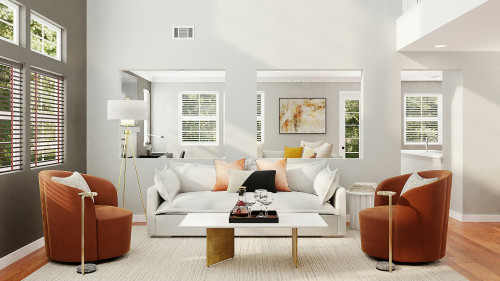
A well-functioning space isn’t just about furniture and storage. Lighting, color, and materials shape both the mood and the usability of a room.
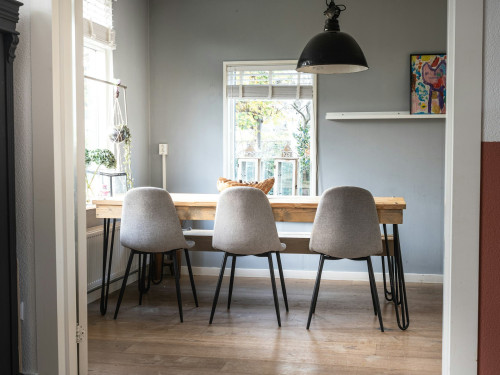
- Lighting: Layer your lighting—overhead, task, and ambient. This makes the space flexible and comfortable at any time of day.
- Color: Light tones can make small rooms feel larger, while darker shades create coziness and depth. Choose colors that suit the room’s purpose and that you’ll enjoy long-term.
- Materials: Natural textures like wood, wool, and cotton add warmth, while metal and glass bring a modern edge. Mixing materials creates balance and visual interest.
Multifunctional Solutions for Smaller Spaces
In many American homes—especially apartments and city dwellings—space is limited. Multifunctional furniture can be a lifesaver. A sleeper sofa, an extendable dining table, or a storage bench adds flexibility without sacrificing style.
Think vertically, too: wall-mounted shelves, fold-down desks, and hooks can free up floor space and make a room feel more open. The goal is to make every square foot count—without losing comfort or charm.
Add Personality Through Details
Even the most practical home needs personality. It’s the small touches that make a space feel alive: a framed photo, a handmade vase, a vintage find, or a bold throw pillow. These details tell your story and make your home uniquely yours.
And remember, beauty can serve a purpose. A decorative bowl can hold keys, a cozy blanket can add texture and warmth, and a plant can purify the air. When you choose with intention, aesthetics and function become one and the same.
Create Flow Throughout the Home
A home feels most harmonious when there’s a sense of continuity from room to room. That doesn’t mean everything has to match, but colors, materials, and moods should complement each other. Repeat small elements—a wood tone, a metal finish, or a color accent—to tie spaces together.
At the same time, let each room have its own personality. A bathroom might lean minimalist, while a living room can be softer and more inviting. The key is that the overall feel reflects your lifestyle and feels cohesive.
When Function and Aesthetics Meet
A beautiful home isn’t necessarily a perfect one—it’s one that works for the people who live in it. When you see function and aesthetics as two sides of the same coin, you create spaces that are practical, comfortable, and full of character.
It’s not about choosing between what’s pretty and what’s useful, but about letting them support each other. That’s when everyday living becomes both easier and more beautiful.
Læs også: