Green Plants as Both Decoration and Indoor Air Improvement

Green Plants as Both Decoration and Indoor Air Improvement
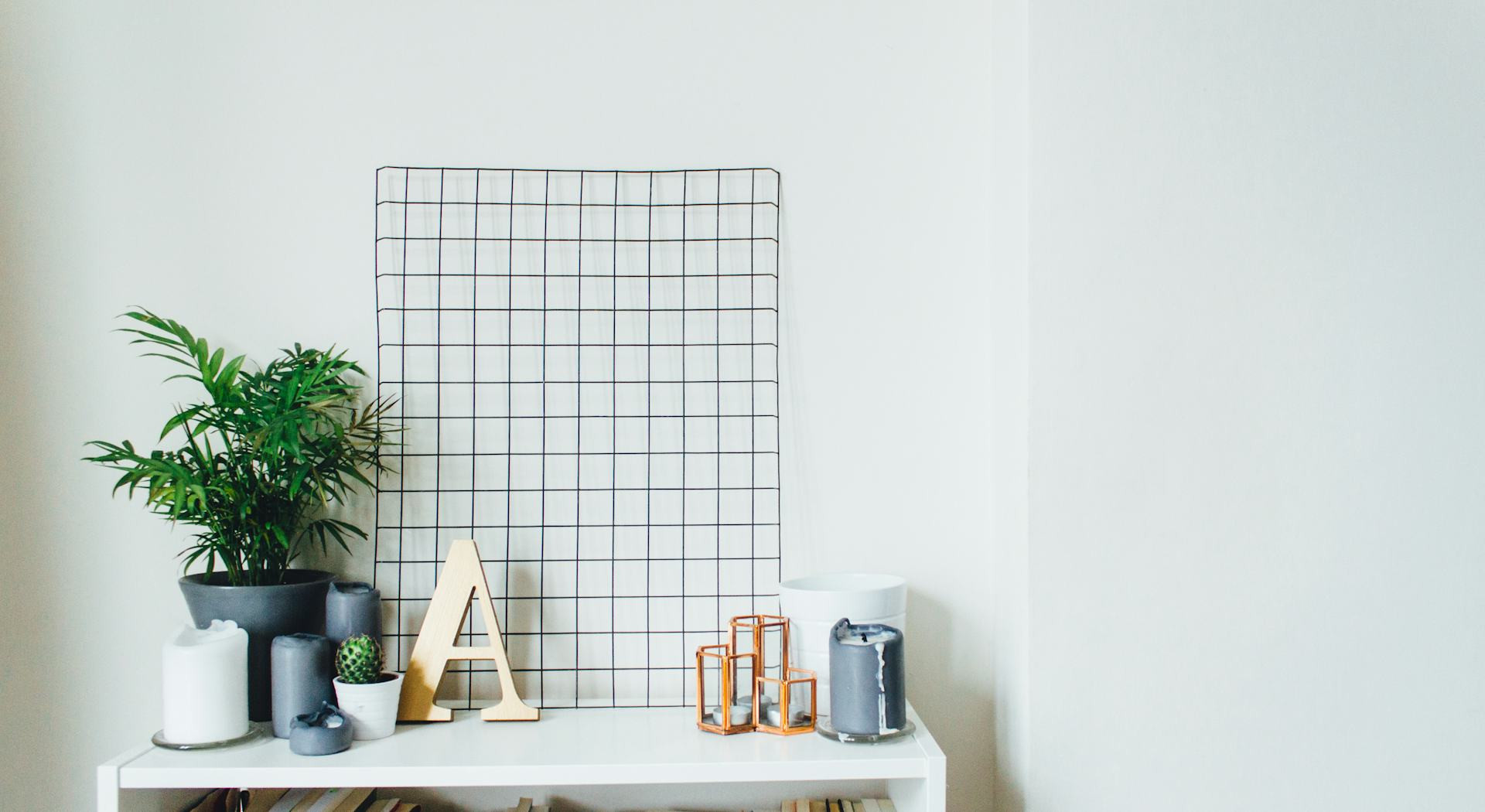
Green plants have long proven that they can do more than simply decorate a windowsill. They bring life, color, and calm into a home—and at the same time, they can contribute to a healthier indoor environment. From filtering the air to balancing humidity and even improving mood, plants play a bigger role in our well-being than many people realize. Here’s how you can use green plants as both a design element and a natural way to enhance your indoor air quality.
Plants as Natural Air Purifiers
Several studies, including research inspired by NASA’s Clean Air Study, have shown that certain plants can help reduce the amount of harmful substances in the air. These include chemicals such as formaldehyde, benzene, and trichloroethylene—compounds that can be found in furniture, paint, and cleaning products. Plants like the peace lily, Boston fern, and rubber plant are known for their ability to absorb these pollutants through their leaves and convert them into harmless byproducts.
While the effect in a typical home can’t replace a mechanical ventilation system or an air purifier, a few well-chosen plants can still make a noticeable difference—especially in rooms where the air tends to feel stale.
Balancing Humidity and Comfort
During the winter months, when heating systems run constantly, indoor air often becomes dry. This can lead to dry skin, irritated eyes, and static electricity. Plants can help with that. Through a process called transpiration, they release moisture into the air, which can make your home feel more comfortable.
Plants with large leaves—such as monstera, rubber plants, and fiddle-leaf figs—are particularly effective at increasing humidity. Place them in living rooms and bedrooms where you spend the most time, and you’ll soon notice the difference.
Green Spaces and Mental Well-Being
Beyond their physical benefits, green plants also have a proven positive effect on mental health. The sight of greenery and natural shapes can lower stress levels, improve concentration, and create a sense of calm. That’s one reason why many offices and public spaces now invest in biophilic design—bringing nature indoors to support well-being and productivity.
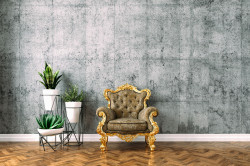
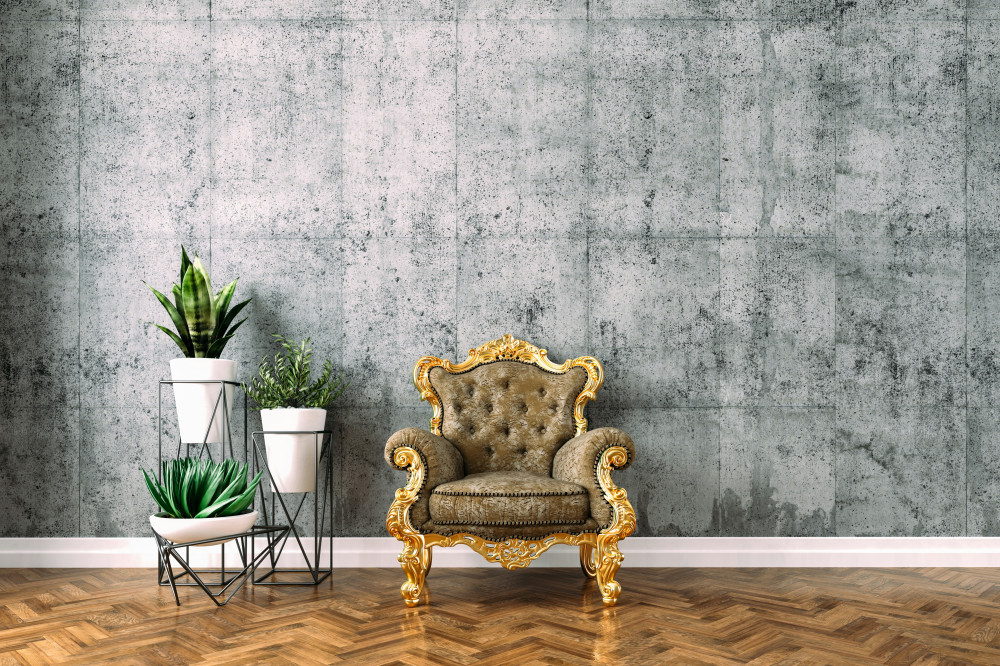
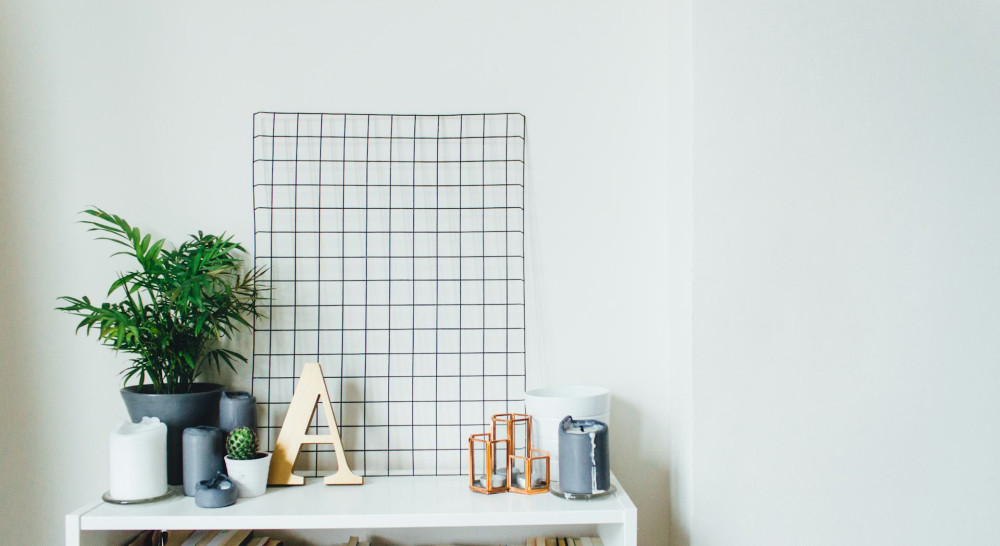
At home, you can create small green oases—a cluster of plants on a windowsill, a hanging garden in a corner, or even a living wall in your living room. These arrangements not only look beautiful but also foster a sense of balance and connection to nature.
Choosing the Right Plants
When selecting plants for your home, consider light conditions, temperature, and how much time you can devote to care. Here are some good options for American homes:
- Peace Lily – Tolerates low light and needs only moderate watering. Great for bedrooms.
- Areca Palm – Thrives in indirect light and helps clean the air.
- Monstera Deliciosa – Decorative and hardy, perfect for living areas.
- Snake Plant (Sansevieria) – Nearly indestructible and produces oxygen at night.
- Aloe Vera – Needs little water and has practical uses for minor burns and skin irritation.
By mixing different types of plants, you can create variety in both form and function—some for air purification, others for humidity, and some simply for their beauty.
Easy Care Without Stress
Many people hesitate to keep plants because they worry they’ll forget to water them or won’t have a “green thumb.” But with a little knowledge and routine, it’s easy to succeed. Make sure your plants get the right amount of light, water, and nutrients—and remember that overwatering is often worse than underwatering.
A helpful tip is to group plants together. This creates a small microclimate where humidity around the leaves stays higher, helping the plants thrive. It also makes watering and maintenance easier.
Læs også:
A Greener Home, a Healthier Life
Decorating with plants isn’t just about aesthetics—it’s about quality of life. Green plants connect us to nature, even when we’re indoors, and they can help create a home that feels alive, fresh, and harmonious.
Whether you live in a small apartment or a large house, you can find plants that fit your space and lifestyle. Start small, get to know your plants, and watch as they gradually transform your home into a greener, healthier place to live.
Læs også: