Create Character at Home with Contrasts Between Old and New, Light and Dark

Create Character at Home with Contrasts Between Old and New, Light and Dark
A home with personality rarely comes from following one style rule by rule. More often, it’s the unexpected combinations that make a space feel alive—when modern design meets vintage finds, or when bright surfaces are balanced by darker tones. Contrasts bring depth, warmth, and balance, and they can be the key to creating a home that feels both harmonious and full of life.
Here’s how to use contrasts intentionally in your home décor—without making it feel cluttered or chaotic.
Old and New – When History Meets the Present
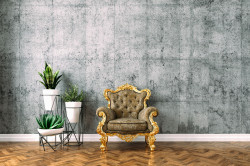
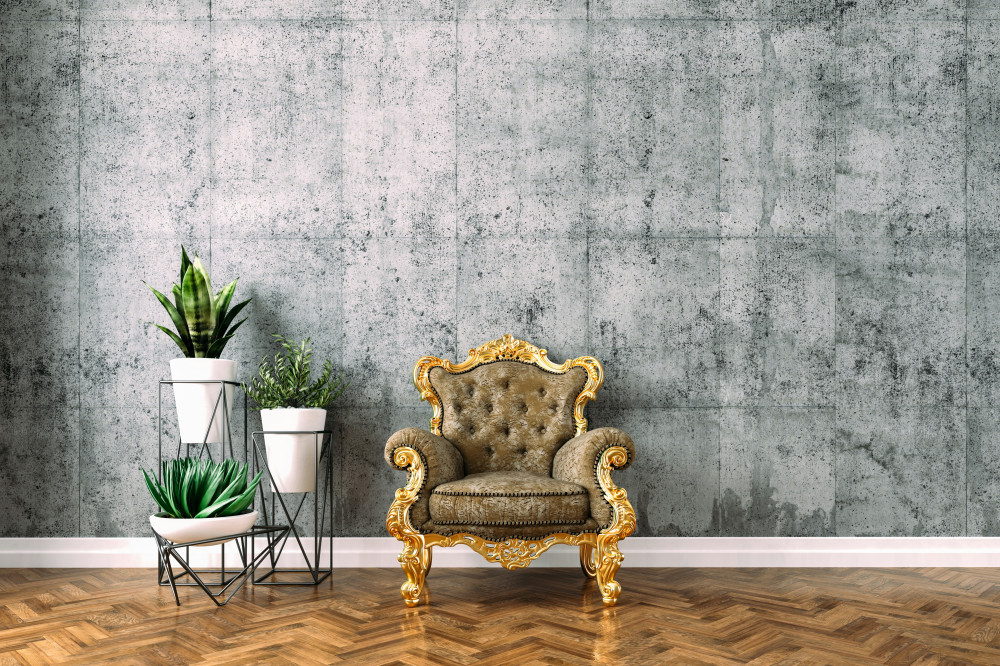
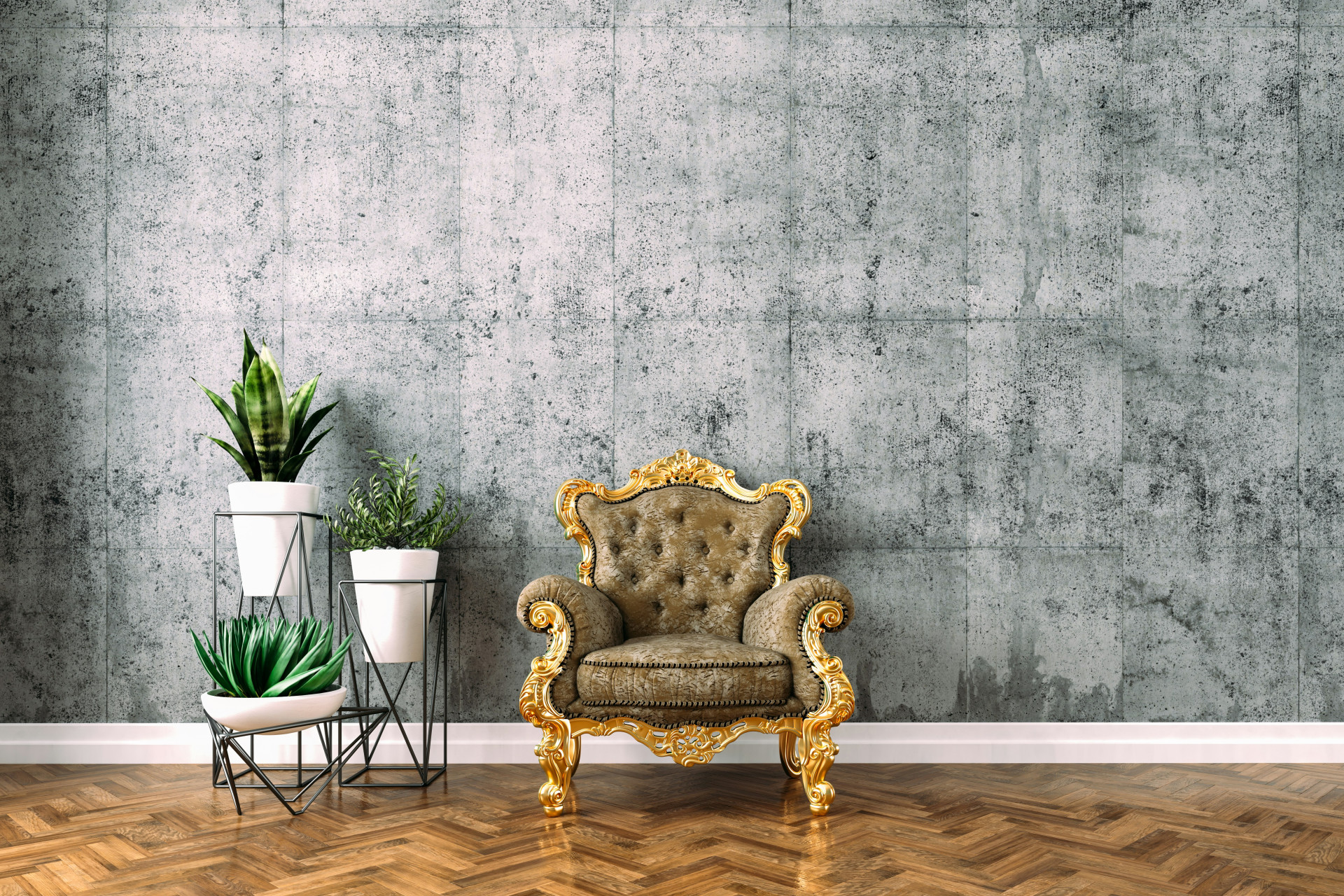
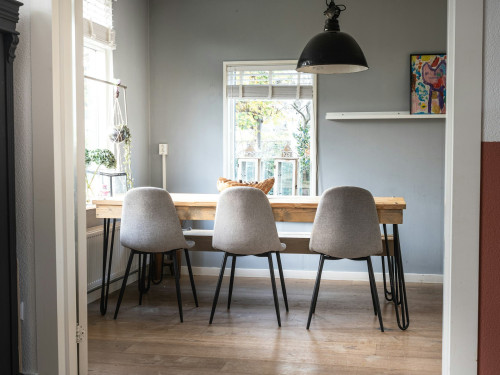
Mixing old and new is one of the most effective ways to add character to a room. A sleek, modern kitchen can gain warmth and soul from a reclaimed wood table, while a mid-century dresser can bring charm and texture to a contemporary living room.
The goal isn’t to create a museum, but to let pieces with history coexist naturally with modern design. Vintage furniture carries the marks of time and use, and that patina provides a beautiful counterpoint to the clean lines of new pieces.
Let those older elements shine instead of hiding them. A worn leather chair, a hand-thrown ceramic vase, or a weathered wood frame can be what makes a space feel authentic and inviting.
Light and Dark – The Play That Creates Atmosphere
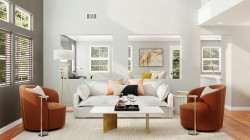
Color and light shape how we experience a room. Many Americans favor light, airy spaces, but darker tones can add sophistication, calm, and depth.
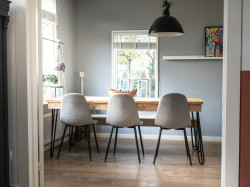
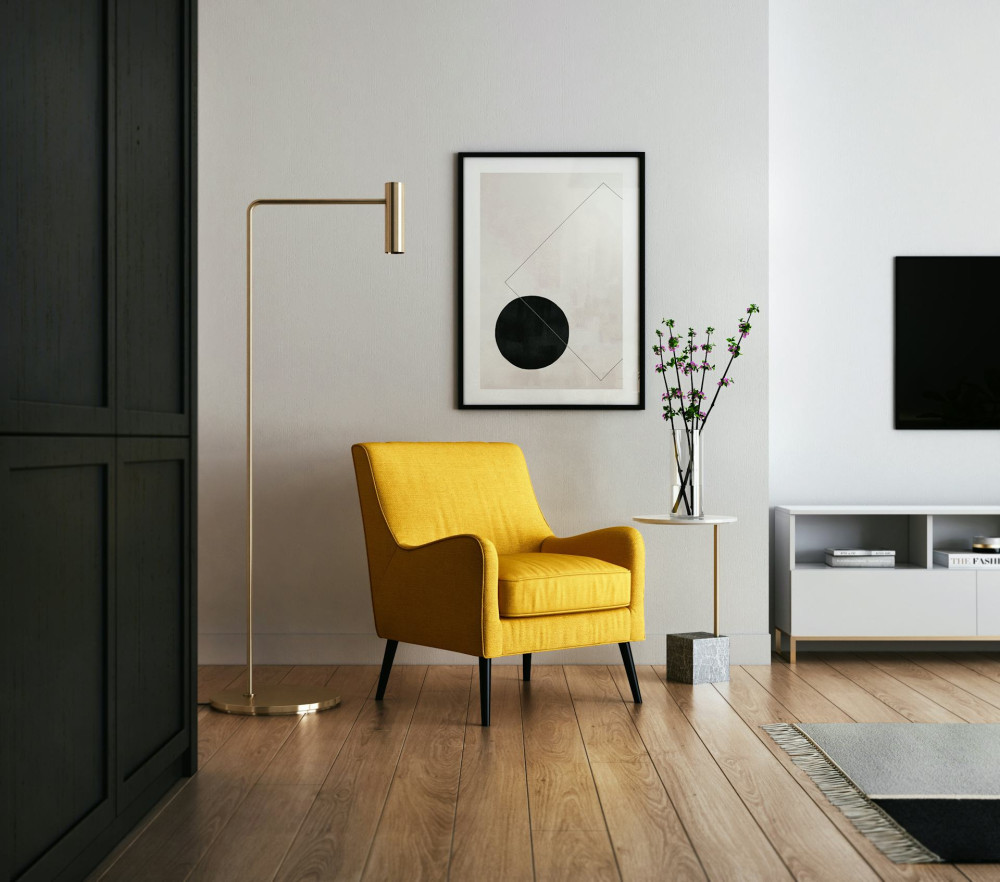
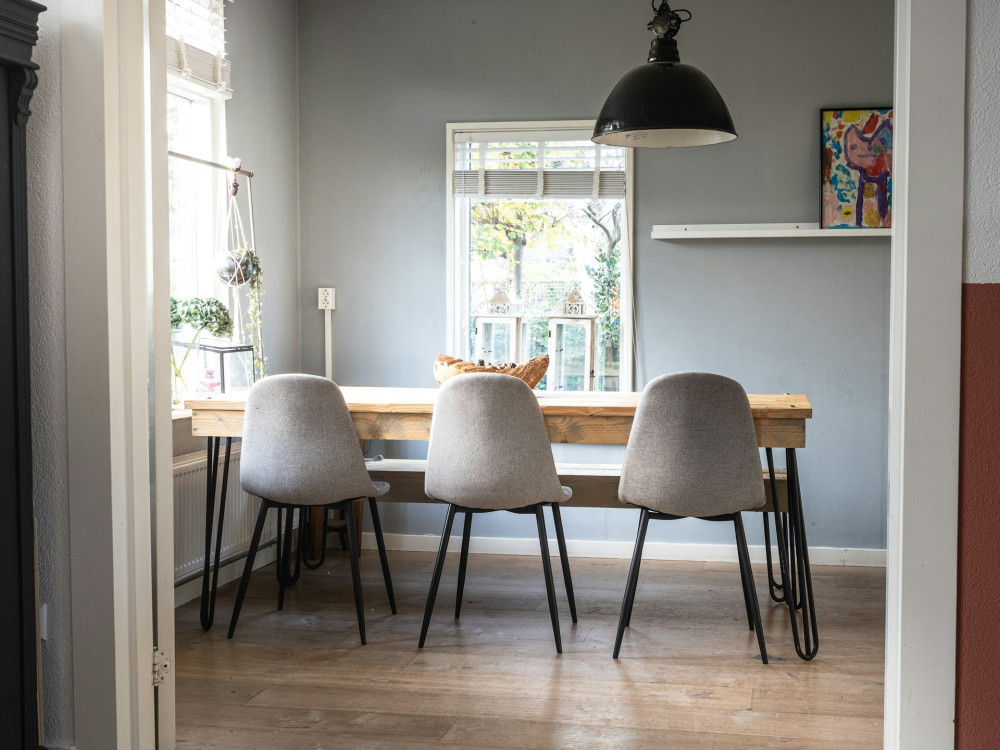
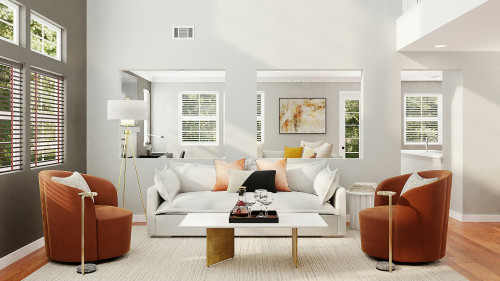
By combining light and dark, you create visual balance. A bright room gains character when accented with dark details—a black pendant light, a deep navy wall, or espresso-stained wood floors. Conversely, a darker space can feel more open with pale textiles, mirrors, or artwork in light frames.
Think of contrasts as a dialogue: the light enhances the dark, and the dark gives the light more presence.
Materials with Edge
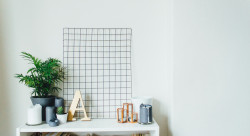
Contrasts aren’t just about color or time period—they’re also about texture and material. Smooth surfaces come alive when paired with something raw or organic.
Try mixing:
- Wood and metal – warmth meets coolness.
- Linen and leather – softness meets strength.
- Marble and wool – sleek meets tactile.
Layering materials adds richness and dimension, making your home feel curated and personal rather than overly styled.
Create Cohesion Through Repetition
When working with contrasts, it’s important to maintain a sense of flow so the overall look doesn’t feel disjointed. Repeat colors, materials, or shapes throughout your home.
If you use dark walnut in your living room, echo it in your kitchen shelving or picture frames. Repetition ties the contrasts together, turning them into a cohesive story rather than random clashes.
Light, Shadow, and Mood
Lighting plays a crucial role in how contrasts are perceived. A mix of direct and indirect light allows you to highlight different moods and textures.
Combine fixtures with distinct personalities—a modern pendant over the dining table, a vintage floor lamp in the corner, and small accent lights that cast soft shadows. This layering of light adds depth and makes contrasts more dynamic.
Læs også:
Personality Over Perfection
A home with character isn’t about perfection. It’s about spaces that tell a story and reflect the people who live there.
Don’t be afraid to showcase something that doesn’t “match.” A family heirloom, a flea market find, or a bold piece of contemporary art can be the element that gives your home soul.
When old meets new, and light meets dark, the result is a home that feels genuine—a place where comfort and inspiration coexist.
Læs også: