Keep It Soft: How to Prevent Kids’ Clothes from Getting Stiff After Many Washes

Keep It Soft: How to Prevent Kids’ Clothes from Getting Stiff After Many Washes
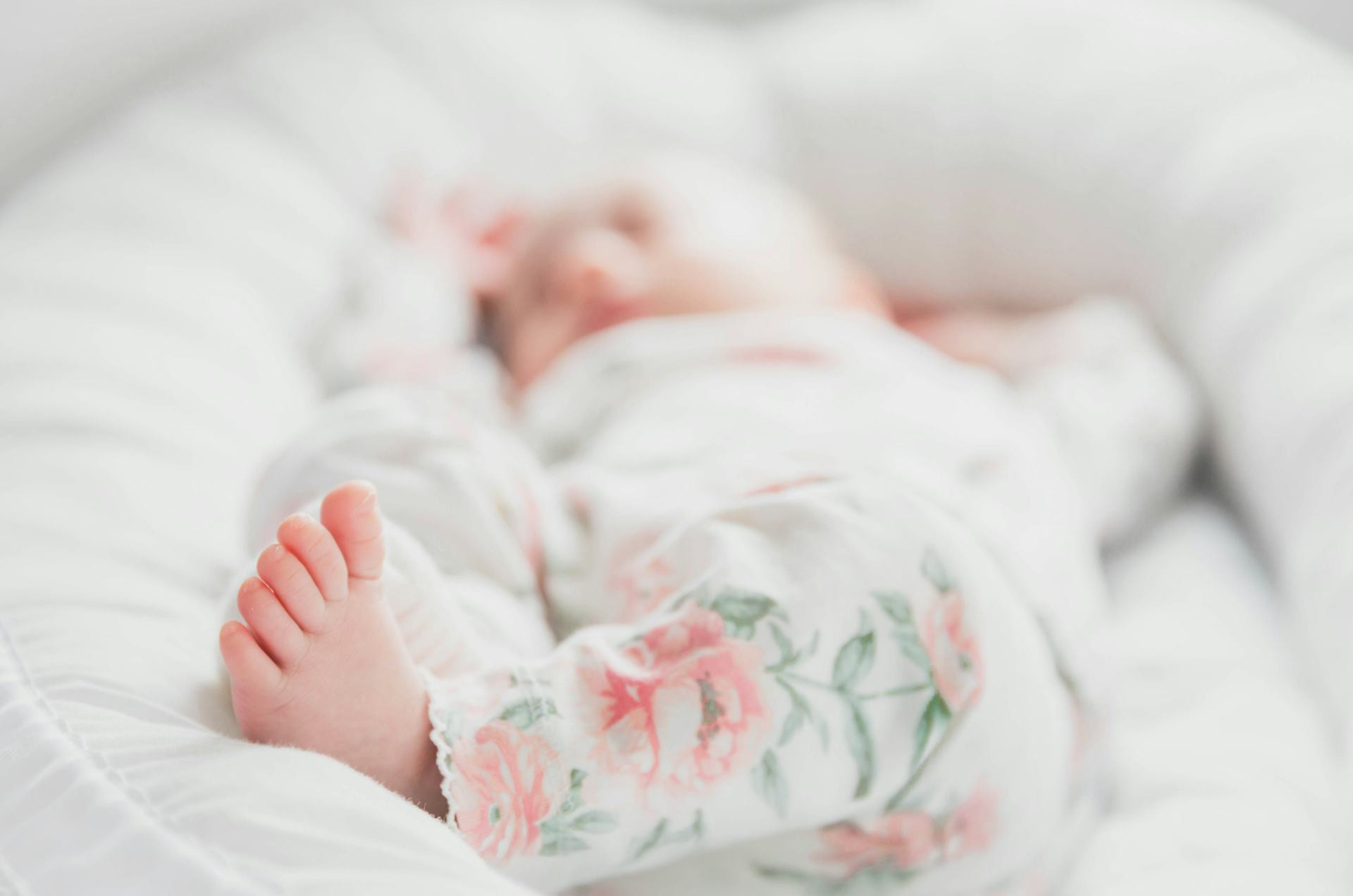
After countless trips through the washer and dryer, kids’ clothes can start to lose that cozy softness that makes them so comfortable. Stiff fabric isn’t just unpleasant—it can also irritate sensitive skin. The good news? With a few simple laundry habits, you can keep your child’s clothes soft, fresh, and long-lasting. Here’s how to do it.
Choose the Right Detergent
Softness starts with the detergent you use. Many mainstream detergents contain brighteners, enzymes, and fragrances that can be harsh on delicate fabrics and sensitive skin. For children’s clothes—especially cotton, bamboo, or wool—opt for a mild, fragrance-free detergent labeled for sensitive skin or baby laundry.
Avoid using too much detergent. Overdosing leaves residue in the fibers, which makes clothes feel stiff. Follow the dosing instructions on the package, and adjust based on your local water hardness. If you live in an area with hard water, consider adding a water softener or using a detergent formulated for hard water.
Læs også:
Rinse Thoroughly—and Try a Vinegar Rinse
One of the most common causes of stiffness is leftover soap. Make sure your washing machine runs a full rinse cycle, and don’t overload the drum—clothes need room to move so detergent can rinse out completely.
A time-tested trick is to add ½ cup of distilled white vinegar to the fabric softener compartment. Vinegar helps dissolve detergent residue and neutralize minerals from hard water, leaving clothes naturally soft without any lingering smell. It’s an eco-friendly alternative to commercial fabric softeners, which can sometimes coat fabrics and reduce absorbency.
Watch the Temperature
Hot water can break down fibers and make fabrics rough over time. Most children’s clothes come clean at cold or warm temperatures (around 80–100°F), especially when using an enzyme-based detergent. Reserve hot water for items that truly need it, like cloth diapers or bedding.
Always check the care label before washing. Lower temperatures not only help preserve softness but also save energy and reduce wear on fabrics.
Dry with Care
The dryer can be both a friend and a foe. While it can fluff up clothes, over-drying or using high heat can make fabrics brittle and cause shrinkage. If you use a dryer, choose a low-heat or delicate cycle, and remove clothes while they’re still slightly damp.
Air drying is the gentlest option. Shake out each piece before hanging it on a rack or clothesline to help fibers stay loose and soft. If you prefer the feel of tumble-dried clothes, you can toss them in the dryer for a few minutes at the end to soften them up.
Don’t Overload the Washer
When the washer is packed too tightly, clothes can’t move freely, and detergent and water can’t circulate properly. This leads to residue buildup and stiffness. A good rule of thumb: leave enough space at the top of the drum to fit your hand comfortably once the clothes are loaded.
Giving your laundry room to move ensures a more thorough wash and a softer finish.
Choose Natural Fabrics
Natural fibers like cotton, bamboo, and wool tend to stay softer than synthetics after repeated washing. They breathe better and are less prone to static and stiffness. When buying new clothes for your kids, consider investing in quality natural fabrics—especially for items worn close to the skin.
Give Clothes a Quick Refresh
If clothes already feel stiff, you can bring them back to life. Soak them in lukewarm water with a splash of vinegar for 15–20 minutes, rinse thoroughly, and air dry. This helps remove mineral buildup and detergent residue.
You can also use a steam iron or garment steamer to gently relax the fibers. The combination of heat and moisture restores softness and flexibility without damaging the fabric.
Small Habits, Big Difference
Keeping kids’ clothes soft doesn’t require fancy products—just mindful laundry habits. Use gentle detergents, rinse well, avoid excessive heat, and treat fabrics with care. With these simple steps, your child’s clothes will stay soft, comfortable, and ready for every new adventure.
Læs også: