Cultural Heritage in Children’s Clothing: Traditions as a Source of Inspiration

Cultural Heritage in Children’s Clothing: Traditions as a Source of Inspiration
When we look at modern children’s clothing, it’s easy to forget how many threads lead back to the past. In an age where fashion often moves at lightning speed and global trends dominate, there’s a growing interest in rediscovering local traditions, materials, and craftsmanship that once shaped the way we dressed. Cultural heritage in children’s clothing isn’t just about nostalgia—it’s about creating a bridge between generations and giving children a sense of history, quality, and identity.
Traditions That Tell Stories
Across the United States, textile traditions are as diverse as the country itself. From the intricate quilting patterns of the South to the handwoven wool of the Southwest and the embroidery traditions brought by immigrant communities, clothing has long been a way to express belonging and creativity. When today’s designers draw inspiration from these traditions, it’s not about replicating the past but reinterpreting it for a new generation.
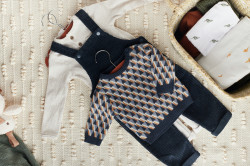
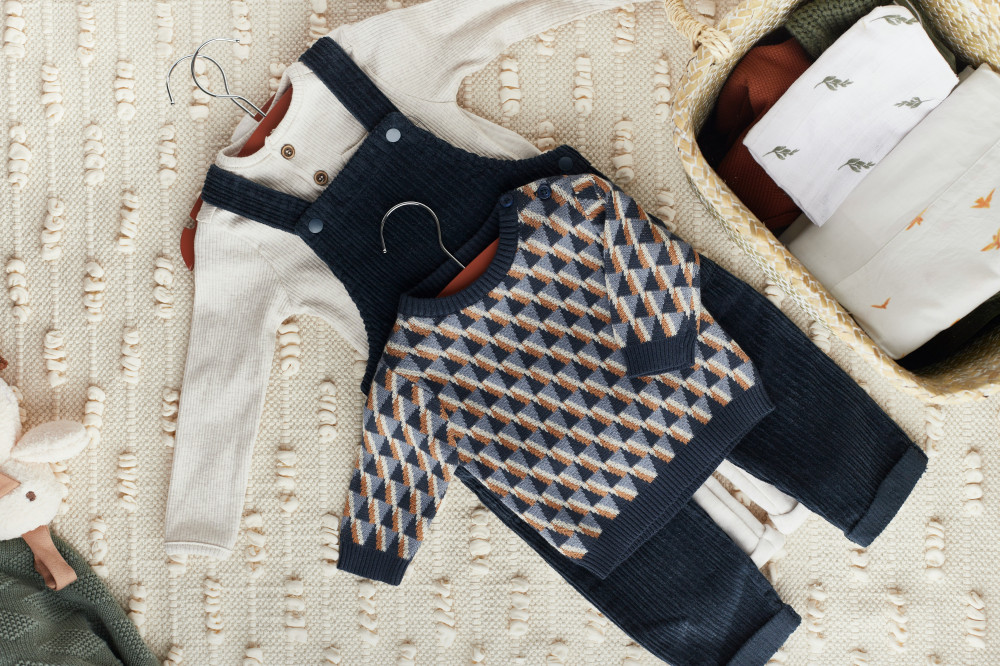
Classic patterns such as patchwork, stripes, and folk-inspired embroidery are finding new life in modern cuts and sustainable fabrics. The result is children’s clothing that feels both timeless and contemporary—pieces that carry a story about where we come from and what we value.
Craftsmanship as a Counterbalance to Mass Production
In a world dominated by fast fashion and disposable trends, craftsmanship and quality stand as quiet acts of resistance. Many American designers and small brands are turning to traditional techniques such as quilting, natural dyeing, and hand-stitching. These methods not only give garments a unique aesthetic but also ensure durability—allowing clothes to be passed down from one child to the next, or even across generations.
For many parents, that’s part of the appeal: children’s clothing that isn’t just worn and discarded, but cherished and remembered. A hand-knit sweater or a dress made from repurposed fabric becomes a small piece of family heritage in itself.
Læs også:

Sustainability and Local Roots
Cultural heritage and sustainability often go hand in hand. By drawing on local materials and production traditions, designers can reduce transportation, support small producers, and help preserve traditional crafts. Across the U.S., some brands collaborate with local artisans, weavers, and dyers to create collections that are both environmentally responsible and culturally grounded.
This approach also helps children understand where their clothes come from—and why that matters. When a child knows that their jacket was made from locally sourced cotton or that its pattern reflects their family’s cultural background, the garment becomes more than just clothing. It becomes part of a larger story.
Tradition Meets Modern Design
While cultural heritage plays a central role, children’s clothing must still meet the needs of modern life. Comfort, functionality, and freedom of movement are essential for play and exploration. The challenge for designers is to balance tradition with practicality.
Many find inspiration in traditional motifs, color palettes, or details, but reinterpret them in washable, durable, and child-friendly materials. In this way, heritage becomes a source of creativity rather than a constraint—something that enriches design rather than limits it.
A Legacy to Be Worn and Shared
Drawing inspiration from cultural heritage in children’s clothing is about more than style. It’s a way to give children a sense of continuity and belonging. When they wear garments made with care and respect for tradition, they also learn about the value of craftsmanship, history, and community.
Ultimately, it’s about creating clothing that doesn’t just dress children, but connects them—to their families, their culture, and the stories that came before them. Cultural heritage in children’s clothing is not just a trend; it’s a movement toward weaving the past, present, and future together through something as everyday—and as meaningful—as what we wear.
Læs også: