The Importance of Materials for Jacket Comfort, Durability, and Style

The Importance of Materials for Jacket Comfort, Durability, and Style
When you put on a jacket, you probably think first about how it looks—but the material it’s made from plays a much bigger role than you might realize. It affects not only the jacket’s appearance but also how it feels, how long it lasts, and how well it performs in different weather conditions. Whether you’re shopping for a casual everyday jacket, a sleek wool coat, or a high-performance shell, understanding materials can help you make a smarter choice. Here’s how different fabrics influence comfort, durability, and style.
Comfort: When the Fabric Works With You
Comfort is about more than just fit. It’s also about how the material responds to temperature, moisture, and movement.
- Cotton is soft, breathable, and comfortable against the skin, but it absorbs moisture and dries slowly. It’s great for mild weather but less ideal in rain or snow.
- Wool naturally regulates temperature, keeping you warm in the cold and comfortable when it’s milder. A wool coat feels cozy without overheating.
- Synthetic materials like polyester and nylon are lightweight, quick-drying, and flexible. They’re common in activewear and outdoor jackets where mobility and moisture control matter most.
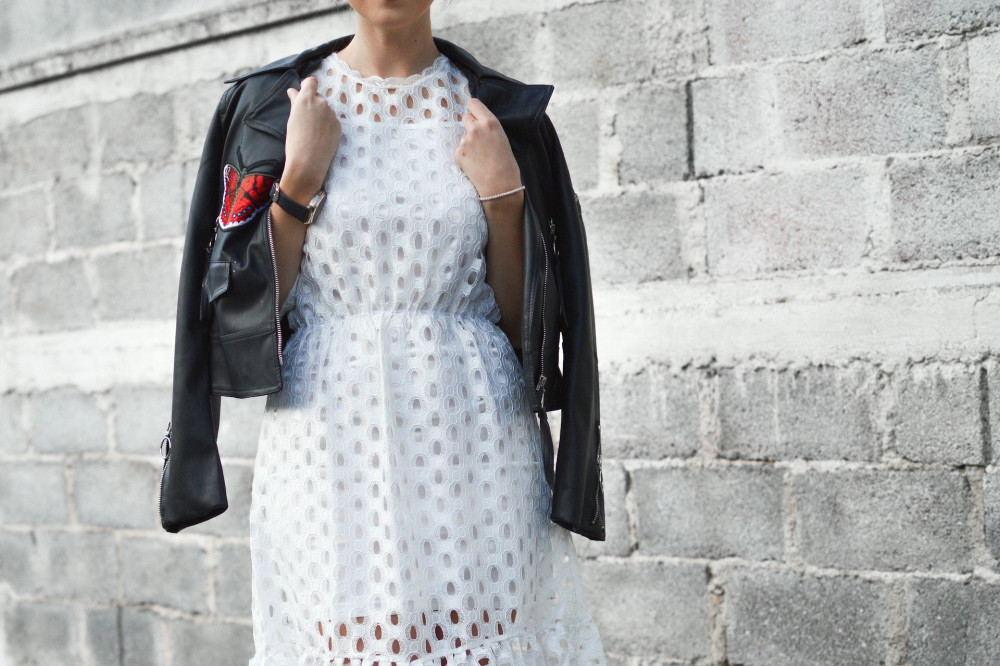
- Leather molds to your body over time, offering a personalized fit and distinctive feel, though it requires care to stay supple.
Your choice of material should match how and when you plan to wear the jacket. A down-filled parka for winter errands has different needs than a cotton blazer for the office.
Læs også:



Durability: When Quality Pays Off
A jacket is an investment, and the strength of its material determines how long it will stay in good shape.
- Leather and waxed cotton are known for their longevity. With proper care, they can last for decades and develop a beautiful patina.
- Wool resists dirt and odors naturally but can wear thin at high-friction areas like elbows and cuffs.
- Synthetic fibers are often very tough and low-maintenance, though they can lose shape or color over time, especially with frequent washing.
Look for reinforced seams, sturdy zippers, and linings that suit the jacket’s purpose. Even the best fabric won’t last if the construction doesn’t match its quality.
Style: Material as a Statement
The fabric also defines a jacket’s look and feel. It influences how it drapes, reflects light, and complements your personal style.
- Wool and cashmere convey timeless sophistication, perfect for dress coats and tailored blazers.
- Leather offers a bold, classic edge that can be dressed up or down.
- Cotton and denim create a relaxed, everyday vibe that fits casual wardrobes.
- Technical fabrics like softshell or Gore-Tex project a modern, functional aesthetic ideal for outdoor or urban wear.
Choosing the right material lets you express your personality—whether you prefer something refined, rugged, or sporty.
Sustainability: A Growing Priority
More American consumers are paying attention to how materials are sourced and produced. Organic cotton, recycled polyester, and vegetable-tanned leather are examples of more sustainable options that reduce environmental impact without sacrificing quality. Still, the most sustainable choice is often the one that lasts the longest. A well-made jacket that you wear for years is better for the planet than one that needs replacing every season.
Finding the Right Balance
There’s no single “best” material for every jacket. The key is finding the right balance between comfort, durability, and style for your lifestyle. A wool coat might be perfect for city winters, a waterproof shell essential for hiking, and a leather jacket the timeless piece that only gets better with age.
When you understand what each material offers, you can choose a jacket that not only looks great but also feels right—season after season.
Læs også: