Support and Movement: Sportswear That Works With Your Body

Support and Movement: Sportswear That Works With Your Body
Sportswear is no longer just something you throw on to break a sweat. Today, it’s an active part of your performance—engineered to support your body, enhance movement, and boost comfort. From compression fabrics that improve circulation to smart textiles that regulate temperature and moisture, athletic wear has become a technological partner in everything from running to yoga. But how does it actually work, and what should you look for when choosing gear that moves with you?
When Clothing Becomes an Extension of Your Body
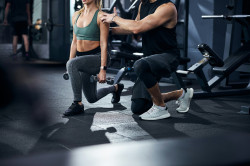
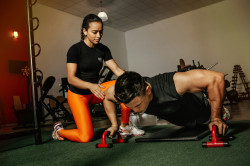
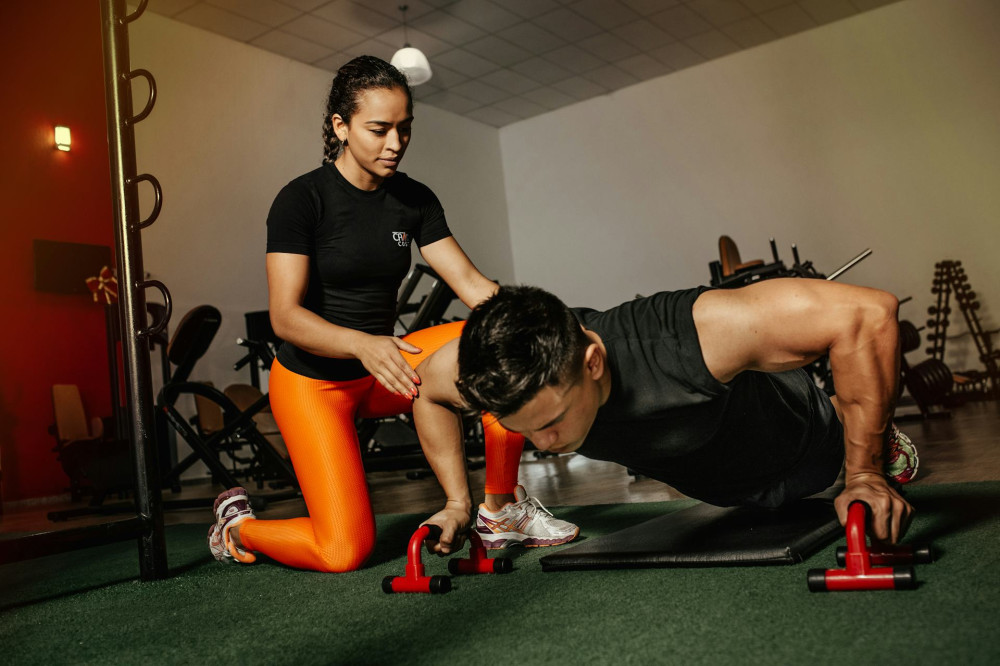
Modern sportswear is designed with the body’s anatomy and movement patterns in mind. Seams, stretch zones, and support panels are strategically placed to follow the muscles’ natural motion rather than restrict it.
A pair of running tights, for example, might include extra support around the knees and hips—areas that take the most impact—while a cycling jersey is shaped to fit snugly without limiting movement. The result is clothing that feels like a natural extension of your body, helping you perform better without wasting energy fighting against the fabric.
Compression: More Than Just Tight Clothing
Compression wear has become a favorite among both elite athletes and everyday fitness enthusiasts. The concept is simple: by applying gentle, even pressure to the muscles, blood flow is improved, which can reduce fatigue and speed up recovery.
Research suggests that compression garments can minimize muscle vibration during exercise, potentially lowering the risk of soreness and injury. That doesn’t mean everyone needs to train in compression gear—it’s about finding the level of support that feels natural and enhances your performance rather than restricting it.
Smart Materials That Adapt to You
In recent years, the textile industry has made major strides in developing fabrics that actively respond to the body and environment. Moisture-wicking fibers pull sweat away from the skin to keep you dry, while temperature-regulating materials help maintain balance—cooling you down during intense workouts and keeping you warm during rest.
Some brands are even experimenting with “responsive fabrics” that change structure based on movement and heat. That means the material can become more breathable as you sweat and more insulating as you cool down.
Sustainability is also a growing focus. Recycled materials—like polyester made from plastic bottles—and biodegradable fibers are becoming more common, allowing you to train with both performance and the planet in mind.
Fit and Freedom of Movement
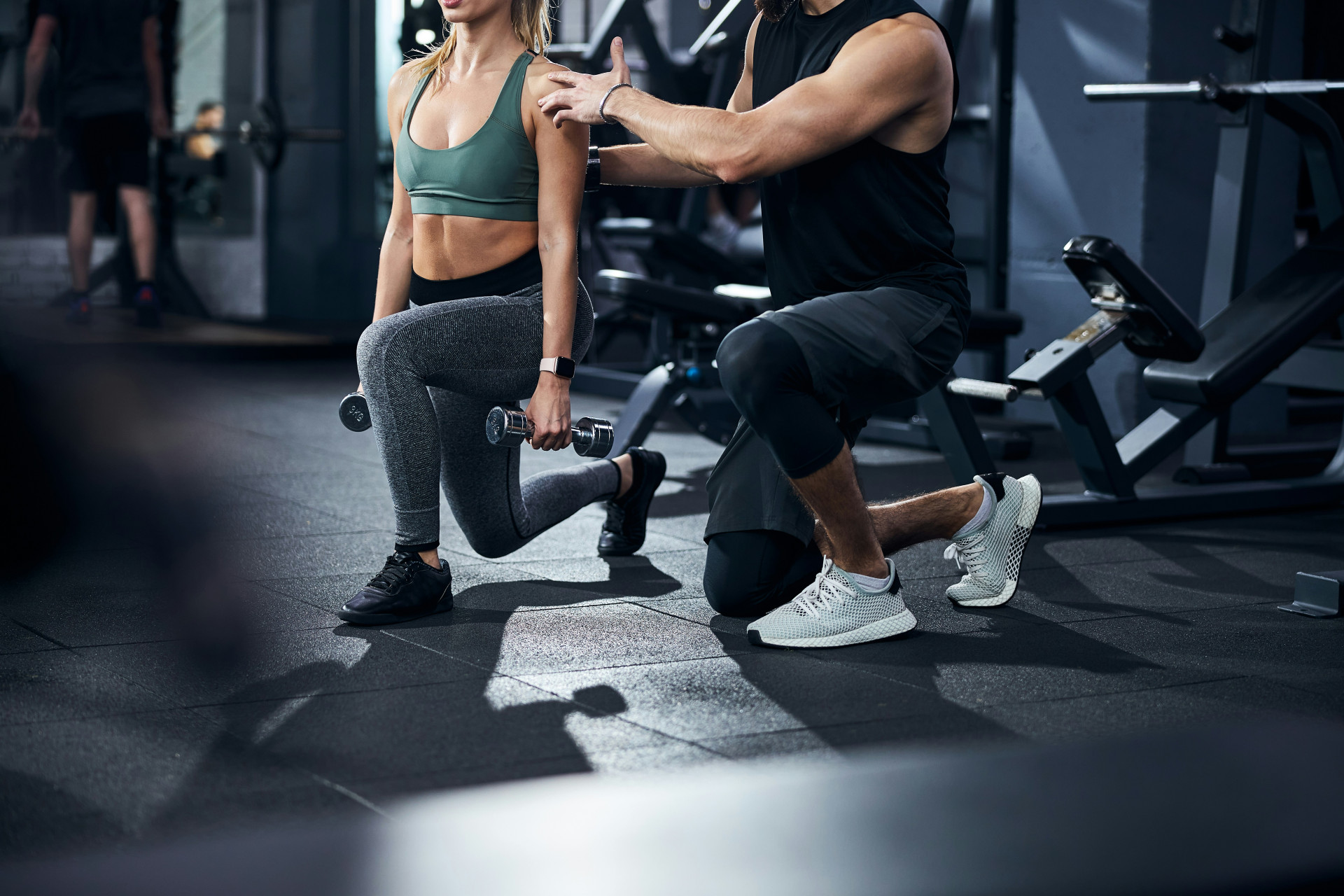
Even the most advanced fabric won’t help if the fit isn’t right. Sportswear should be snug enough to provide support but not so tight that it restricts movement or circulation.
A good rule of thumb is to test your gear in motion—do a few squats, stretch your arms, or take a few steps. If the fabric moves with you without slipping, pinching, or bunching, you’ve likely found the right fit.
Remember that different activities have different needs: runners benefit from lightweight, breathable materials, while strength training often calls for more flexibility and core support.
Where Technology Meets Design
Beyond functionality, style has become an essential part of sportswear. Athletic apparel now transitions seamlessly from the gym to everyday life, with designs that look as good on the street as they perform in a workout.
Technology is also becoming more integrated. Sensors that track heart rate, movement, and muscle activity are making their way into clothing, opening the door to a new era where your gear not only supports your body but also provides real-time feedback to help you train smarter.
Læs også:


Find What Works for You
The best sportswear is the kind that makes you feel comfortable and free to move. Whether you prefer high-tech compression gear or simple, breathable basics, it’s all about finding what fits your body and your workout style.
When your clothing works with your body instead of against it, movement becomes easier, performance improves, and training feels more natural—and that’s what truly makes the difference between pushing through a workout and enjoying every moment of it.
Læs også: