How to Talk with Teachers and Caregivers About Your Child’s Need for Glasses

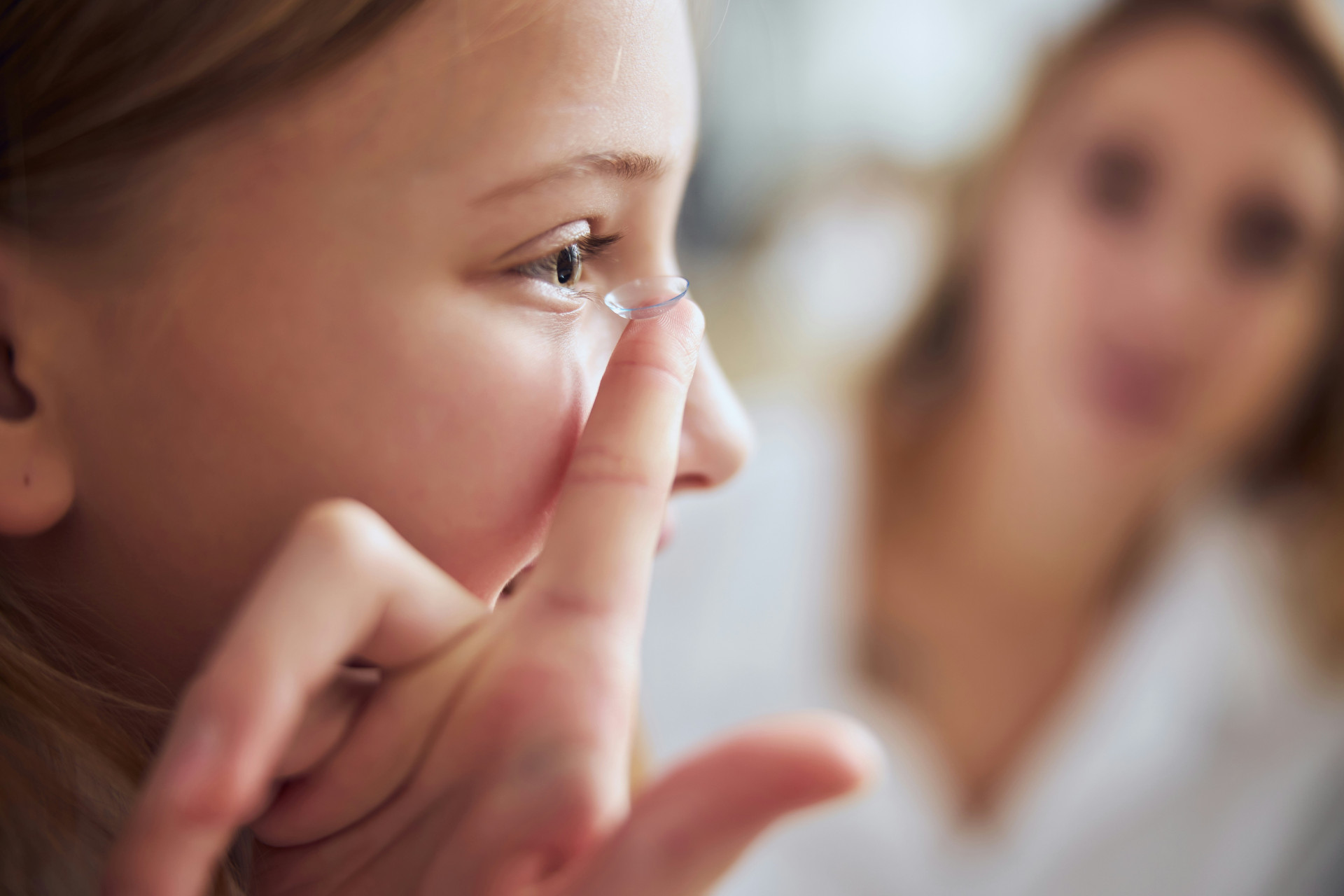
Help your child feel confident and supported when starting to wear glasses
Glasses
Glasses
2 min
When your child needs glasses, communication with teachers and caregivers is key. Learn how to start the conversation, share practical information, and work together to make the transition smooth and positive for your child.
Jonah King
Jonah
King

How to Talk with Teachers and Caregivers About Your Child’s Need for Glasses

Help your child feel confident and supported when starting to wear glasses
Glasses
Glasses
2 min
When your child needs glasses, communication with teachers and caregivers is key. Learn how to start the conversation, share practical information, and work together to make the transition smooth and positive for your child.
Jonah King
Jonah
King

When a child needs glasses, it’s about more than just vision—it’s about comfort, learning, and confidence. Glasses can be a big adjustment, and teachers and caregivers play an important role in helping your child feel comfortable and supported. As a parent, you can do a lot to make sure everyone works together to help your child thrive. Here are some tips for how to start that conversation and keep it positive and productive.

Begin with an Open and Calm Conversation

Once you learn that your child needs glasses, it’s a good idea to let their teacher and caregivers know right away. They’ll appreciate being informed so they can help your child adjust and succeed.

Share what the eye doctor or optometrist said about when and how your child should wear their glasses—whether all day, just for reading, or only for certain activities. This helps teachers and caregivers understand how to support your child during the day.

You don’t need to go into medical details. The most important thing is that they know how the glasses fit into your child’s daily routine.

Make It Practical and Easy to Understand

Teachers and caregivers have many children to look after, so clear, simple information helps them support your child effectively. You might say things like:

  • “He sometimes takes his glasses off when he’s playing outside—please remind him to put them back on when it’s time to read or do classwork.”
  • “She’s a little shy about wearing her glasses, so a few kind words when she keeps them on would mean a lot.”

Concrete examples make it easier for adults to respond in ways that help your child without making glasses a big issue.

Talk About Your Child’s Feelings

Some kids take to glasses right away, while others may feel self-conscious or nervous. They might worry about being teased or think the glasses look strange.

Share what you’ve noticed with your child’s teacher or caregiver. They can help create a positive atmosphere—perhaps by pointing out that many people wear glasses or by using it as a chance to talk about differences and acceptance.

If your child is hesitant, you can agree on small steps—like wearing glasses only during certain activities at first and gradually increasing the time.

Work Together on Practical Solutions

Glasses can get lost, smudged, or broken easily, especially with younger children. A little planning with teachers and caregivers can prevent frustration.

Decide on a safe place for the glasses when they’re not being worn—like a case in the backpack or a specific spot in the classroom. Make sure your child has a cleaning cloth and knows how to take care of their glasses.

If your child is in daycare or an after-school program, ask caregivers to help remind them to wear their glasses when needed, without turning it into a struggle.

Check In and Stay in Touch

After a few weeks, it’s helpful to check in with your child’s teacher or caregiver. Ask how things are going—whether your child is wearing the glasses as needed and if they’ve noticed any challenges.

If your child complains about headaches, tired eyes, or trouble seeing, it might be time for a follow-up with the eye doctor. Teachers and caregivers often notice small signs that can help you catch issues early.

Ongoing communication makes it easier to solve problems together and keep your child comfortable and confident.

Create a Positive Message

Children take cues from the adults around them. When parents, teachers, and caregivers talk positively about glasses, it helps kids see them as a normal and helpful part of life.

You can tell your child that glasses help them see better, learn more easily, and enjoy the world around them. You might even mention that many athletes, scientists, and artists wear glasses—it’s just part of who they are.

The goal isn’t to make glasses a big deal, but to show that they’re completely normal and nothing to be embarrassed about.

A Shared Responsibility for Your Child’s Well-Being

Getting glasses is a small change that can make a big difference in your child’s daily life. With open communication, teamwork, and a positive attitude, you and the adults who care for your child can make sure glasses become a natural and comfortable part of their routine.

What matters most is that your child feels supported—at home, at school, and wherever they spend their day—by adults who are all working toward the same goal: helping them see clearly, learn confidently, and feel good about themselves.

How to Talk with Teachers and Caregivers About Your Child’s Need for Glasses
Help your child feel confident and supported when starting to wear glasses
Glasses
Glasses
Parenting
Child Health
Communication
Education
Glasses
2 min
When your child needs glasses, communication with teachers and caregivers is key. Learn how to start the conversation, share practical information, and work together to make the transition smooth and positive for your child.
Jonah King
Jonah
King
Glasses Through Life’s Stages: When Vision and Style Change
Discover how your eyewear evolves with you—from childhood clarity to timeless style in later years
Glasses
Glasses
Eyewear
Vision
Glasses
Style
Eye Health
6 min
Our vision and sense of style change throughout life, and so do our glasses. Explore how eyewear adapts to every stage—from the first pair that opens up the world to the frames that bring comfort and confidence in maturity.
Delilah Vasquez
Delilah
Vasquez
Meaningful Fashion Glasses – When Style and Function Go Hand in Hand
Discover how the perfect pair of glasses can enhance both your vision and your personal style
Glasses
Glasses
Fashion
Eyewear
Style
Sustainability
Lifestyle
4 min
Glasses are more than a necessity—they’re a statement of who you are. Explore how modern eyewear combines fashion, comfort, and sustainability, helping you find frames that reflect your personality while meeting your everyday needs.
Christopher Carter
Christopher
Carter
How Often Should You Get Your Eyes Checked? It Depends on Your Age and Lifestyle
Regular eye exams can protect your vision and detect problems before they affect your daily life
Glasses
Glasses
Eye Health
Vision Care
Preventive Health
Optometry
Healthy Lifestyle
4 min
How often should you schedule an eye exam? The answer depends on your age, lifestyle, and health. Learn when to see an eye doctor, what to expect during a checkup, and how regular exams can help preserve your sight for years to come.
Kinsley Lee
Kinsley
Lee
The Importance of Fit: See More Clearly Through the Center of Your Lenses
Discover why the right frame fit is essential for clear, comfortable vision
Glasses
Glasses
Eyewear
Vision
Glasses Fit
Eye Health
Optician Advice
7 min
The way your glasses fit can make all the difference in how well you see and how comfortable you feel. Learn how proper alignment ensures you look through the center of your lenses, reduces eye strain, and helps you get the most from your eyewear.
Thomas Reyes
Thomas
Reyes
Refresh Your Style with the Changing Seasons – Without Buying New Clothes
Discover how to reinvent your wardrobe for every season without spending a cent
Trends
Trends
Sustainable Fashion
Wardrobe Tips
Personal Style
Seasonal Outfits
Fashion Inspiration
2 min
Give your style a fresh start as the seasons change—without buying anything new. Learn how to mix, layer, and accessorize your existing clothes to create outfits that feel current, comfortable, and uniquely you.
Jonah King
Jonah
King
Small Changes, Big Impact: How to Update Your Wardrobe Sustainably
Refresh your style while caring for the planet with simple, sustainable wardrobe updates
Trends
Trends
Sustainable Fashion
Wardrobe Tips
Eco-Friendly Living
Personal Style
Conscious Shopping
4 min
Discover how small, thoughtful changes can transform your wardrobe without compromising the environment. Learn practical ways to refresh your look, extend the life of your clothes, and embrace a more sustainable approach to fashion.
Delilah Vasquez
Delilah
Vasquez
Sustainable Style: Express Your Personality Through Your Clothing Choices
Discover how mindful fashion choices can reflect your values and unique personality
Trends
Trends
Sustainable Fashion
Personal Style
Conscious Living
Wardrobe Tips
Eco-Friendly Choices
2 min
Learn how to express your individuality while supporting a more sustainable future. This guide shows you how to build a wardrobe that combines personal style with conscious choices—from buying better and caring for your clothes to finding vintage treasures that tell a story.
Christopher Carter
Christopher
Carter