From Workwear to Fashion Icon: The History of Pants

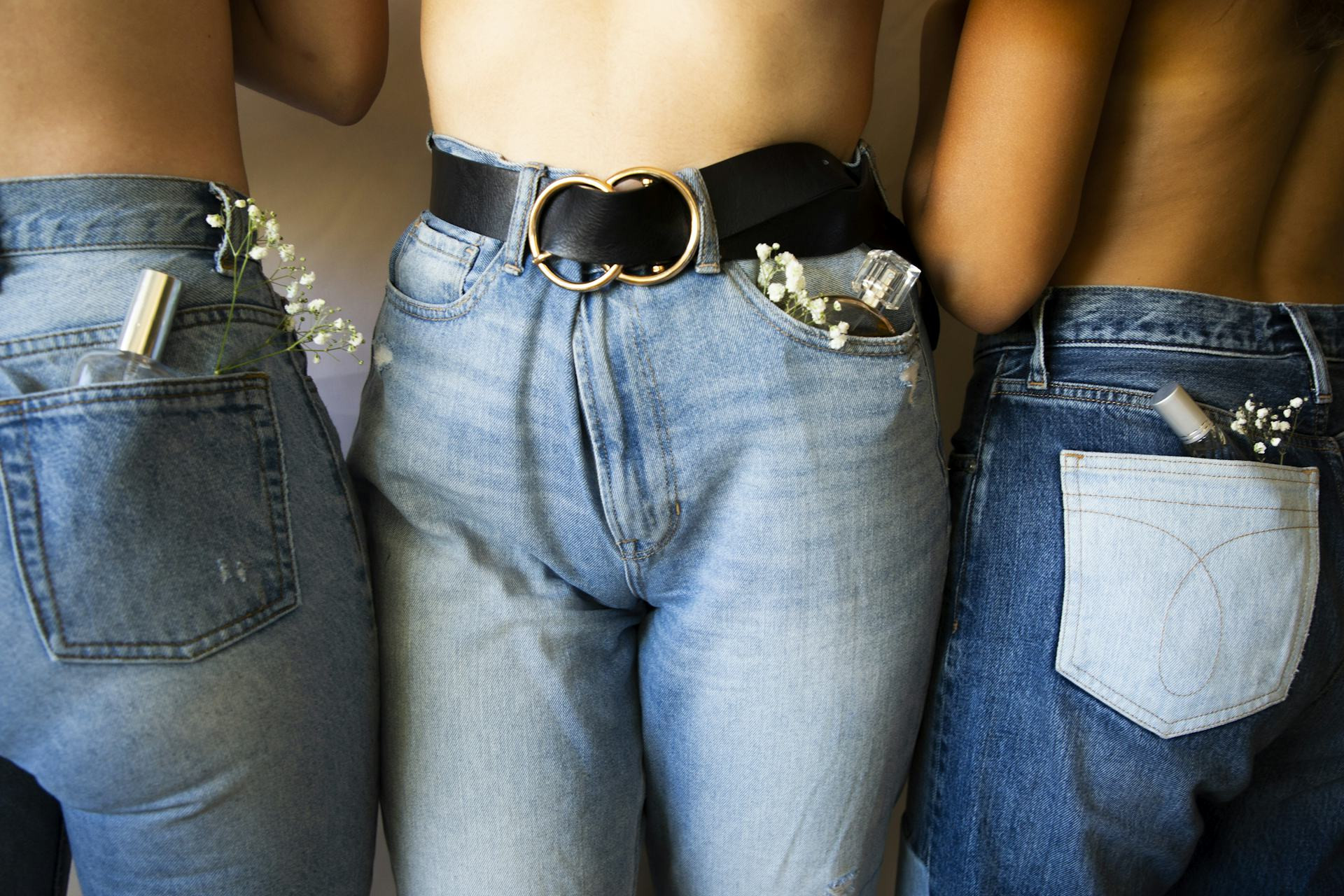
From Workwear to Fashion Icon: The History of Pants
Pants are a staple in every American wardrobe today—worn by people of all ages, genders, and walks of life. But the journey from practical workwear to fashion icon has been long and full of cultural shifts. The history of pants reflects not only changes in clothing styles but also broader transformations in society, gender roles, and technology. Here’s a look at how pants evolved from a symbol of labor and utility to an expression of individuality and style.
From Riding Gear to Everyday Wear
The earliest known pants date back more than 3,000 years to Central Asia, where nomadic horse riders needed clothing that allowed freedom of movement. Pants offered protection and comfort in the saddle, making them a practical alternative to robes and tunics. Over time, the idea spread westward, and by the Middle Ages, pants were common among European soldiers and laborers.
In those centuries, pants were strictly men’s attire. They symbolized strength, mobility, and authority—traits associated with masculinity. Women, by contrast, were expected to wear dresses and skirts. It would take many generations before women began to claim pants as their own.
Workwear and the Industrial Revolution
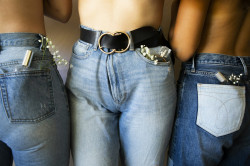
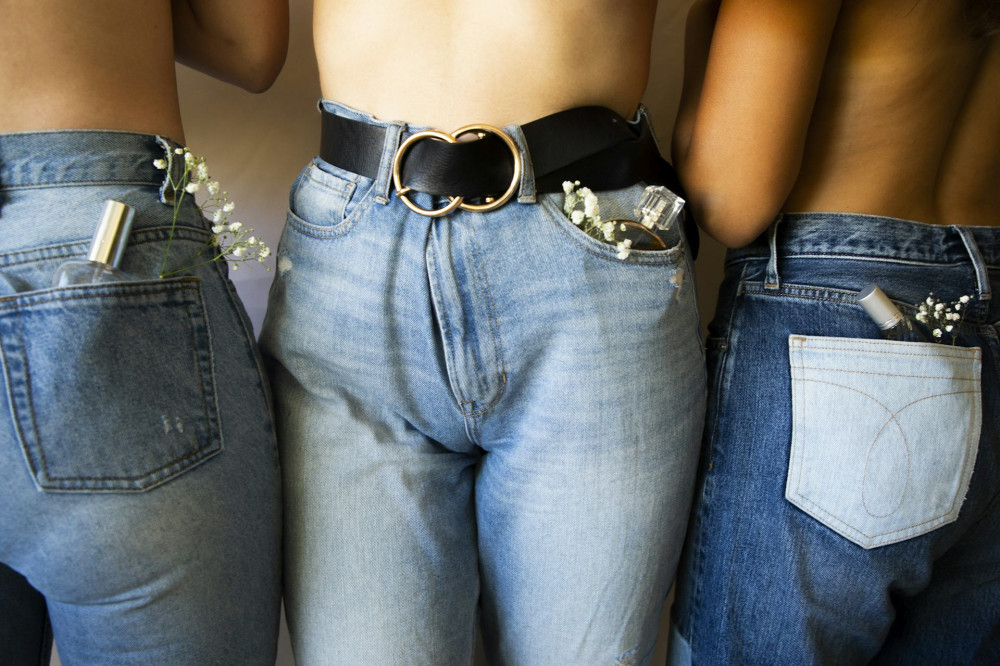
The 19th century brought massive industrial change, and with it, a new role for pants. Workers in factories, mines, and on farms needed durable clothing that could withstand tough conditions. In the United States, this need gave birth to one of the most iconic garments in history: blue jeans. In the 1870s, tailor Jacob Davis and businessman Levi Strauss began reinforcing denim work pants with metal rivets, creating a product that was both sturdy and practical.
Jeans quickly became a symbol of the American working class—rugged, reliable, and unpretentious. They embodied the spirit of hard work and independence that defined the American frontier. Over time, that same spirit would turn jeans into a global fashion statement.
Women Put on Pants
It wasn’t until the early 20th century that women began wearing pants in significant numbers—and it was often out of necessity. During World War I, as men went off to fight, women took on industrial and agricultural jobs, adopting pants for practical reasons. What started as a matter of function soon became a statement of freedom.
By the 1930s and 1940s, Hollywood stars like Marlene Dietrich and Katharine Hepburn challenged convention by wearing pants in public—and doing so with confidence and elegance. Their bold choices helped redefine femininity and opened the door for women’s trousers to enter mainstream fashion. By the 1960s and 1970s, pants for women were no longer controversial—they were a symbol of equality and empowerment.
From Function to Fashion
Throughout the 20th century, pants evolved from purely functional garments into fashion essentials. Designers began experimenting with cuts, fabrics, and colors. From tailored slacks to corduroy flares, from the bell-bottoms of the 1970s to the baggy jeans of the 1990s, each era brought its own interpretation of what pants could express.
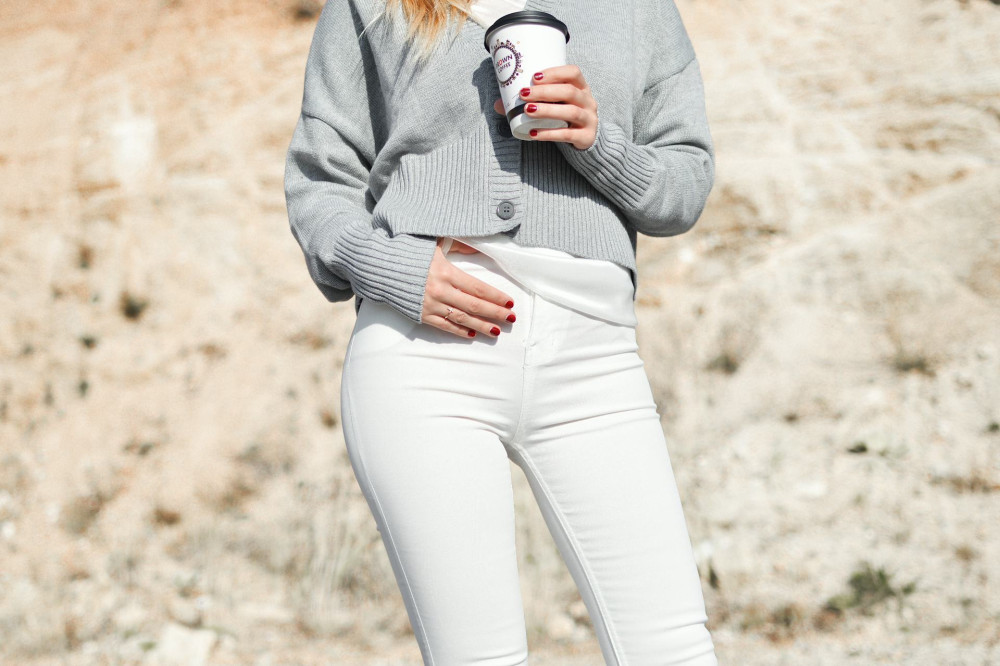
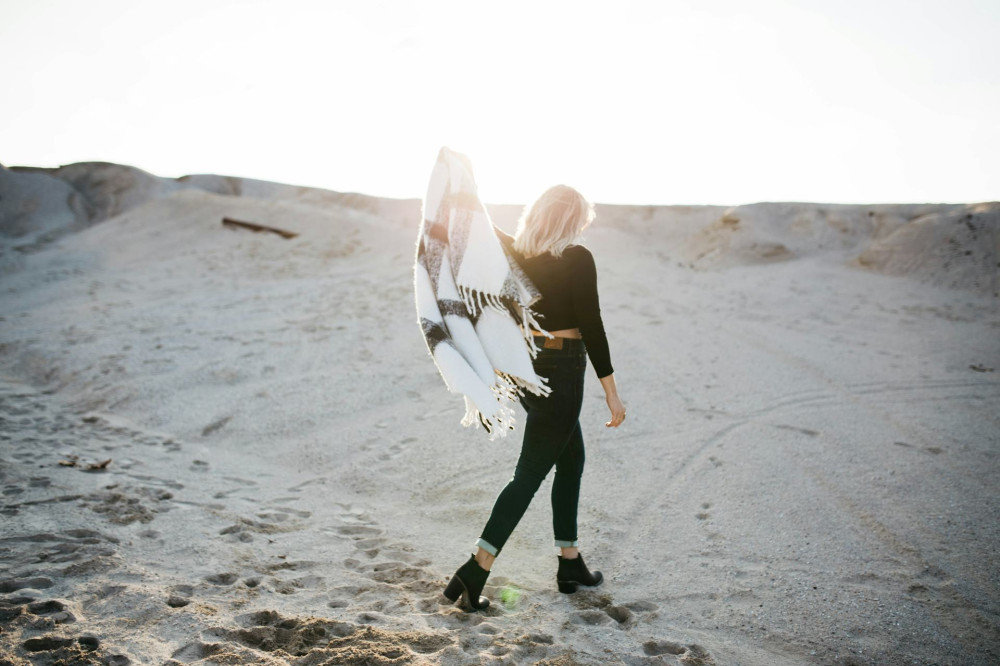
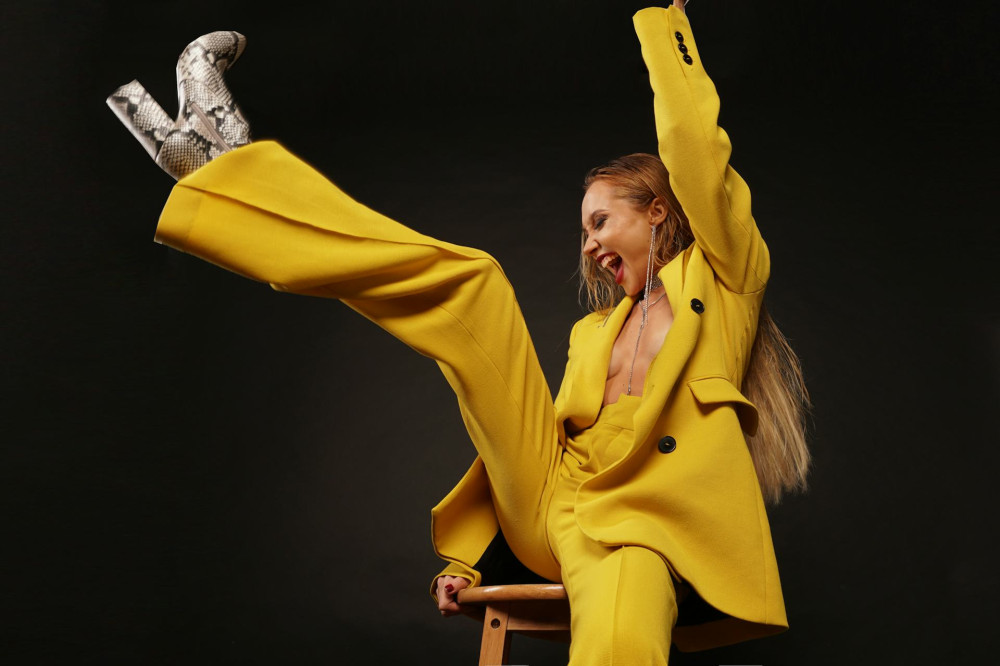
Today, the variety is endless: jeans, chinos, leggings, cargo pants, culottes, joggers, and more. Pants can be formal or casual, minimalist or bold. They’ve become a canvas for personal style—an everyday item that can still make a statement.
Pants as a Cultural Symbol
Pants have always carried symbolic weight. The phrase “wearing the pants” once referred to authority within a household, reflecting a time when pants were reserved for men. Today, the expression is used more playfully, but it reminds us how clothing can mirror social power and identity.
In American culture, pants have also been at the center of debates about gender, professionalism, and self-expression—from school dress codes to workplace policies. Each discussion underscores that fashion is never just about appearance—it’s about values, freedom, and belonging.
Læs også:

The Future of Pants
Modern fashion is moving toward inclusivity, comfort, and sustainability. Recycled fabrics, organic cotton, and gender-neutral designs are becoming more common, and pants are part of that shift. The pants of the future will not only look good but also reflect ethical production and environmental awareness.
At the same time, the boundaries between formal and casual wear continue to blur. A pair of pants can now take you from the office to a concert, from a hike to a dinner party. The story of pants is far from over—it continues to evolve with the people who wear them.
Læs også: