Caring for Sustainable Bags: How to Make It a Good Habit

Caring for Sustainable Bags: How to Make It a Good Habit
A sustainable bag isn’t just an eco-friendly choice—it’s also an investment in quality and longevity. Whether your bag is made from organic cotton, recycled nylon, or vegetable-tanned leather, it can last for years if you care for it properly. But how do you make that care part of your everyday routine? Here’s how to extend your bag’s life and turn maintenance into a meaningful habit.
Know Your Material—and What It Needs
The first step in caring for your bag is understanding what it’s made of. Different materials require different care, and a little knowledge goes a long way.
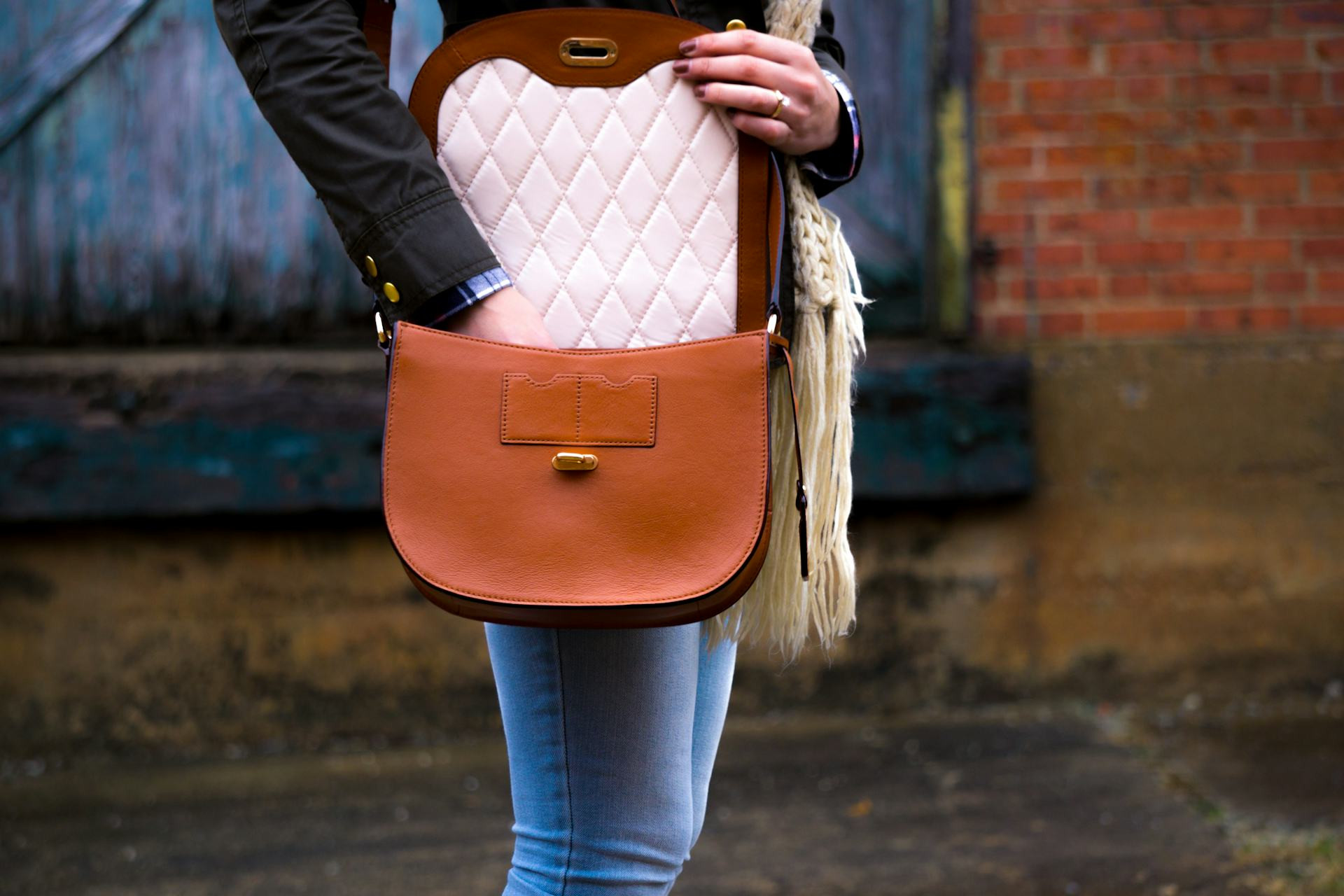
- Leather: Wipe away dirt with a damp cloth and apply a leather conditioner or balm regularly to keep it supple. Avoid direct sunlight or heat sources, which can dry out the leather and cause cracks.
- Canvas and Cotton: Most fabric bags can be hand-washed with mild soap and cool water. Unless the label says otherwise, skip the washing machine. Let the bag air dry naturally—never use a dryer.
- Recycled Plastic or Nylon: These materials are easy to clean with a damp cloth. A mix of water and a little vinegar can help remove odors and keep the surface fresh.
By knowing your bag’s material, you can avoid harsh cleaning methods that shorten its lifespan—and keep it looking great for years.
Clean Regularly—but Gently
It’s easy to put off cleaning, but small, consistent habits make a big difference. Empty your bag weekly to remove dust, crumbs, and receipts. Use a soft brush or a vacuum with a small nozzle to reach corners and pockets.
If you use your bag daily, wipe it down every couple of weeks with a damp cloth. This prevents dirt from building up and wearing down the material. For leather bags, combine cleaning with a quick conditioning session—it only takes a few minutes but pays off over time.
Læs også:


Store It the Right Way
Bags often suffer the most when they’re not in use. Improper storage can cause creases, fading, or loss of shape. Keep your bag in a cool, dry place away from direct sunlight and humidity.
Stuff it with tissue paper or fabric to help it keep its shape, and store it in a breathable cotton dust bag to protect it from dust. Avoid plastic bags, which can trap moisture and lead to mold. If you rotate between several bags, check and clean the ones you’re not using every so often.
Repair Instead of Replacing
One of the most sustainable choices you can make is to repair rather than replace. A loose stitch, broken zipper, or worn strap can often be fixed—either at a local repair shop or with a simple DIY kit.
Many sustainable brands in the U.S. now offer repair services or replacement parts. It’s usually cheaper and far better for the environment than buying new. Plus, there’s something deeply satisfying about restoring a favorite item instead of discarding it.
Make Care a Habit
Caring for your bag regularly might seem like a small thing, but it’s a way to take responsibility for your belongings—and for the planet. Set aside one day a month to check your bags: clean them, condition them, and see if anything needs repair. It rarely takes more than 10–15 minutes.
You can even make it enjoyable: play some music, brew a cup of coffee, and treat it as a mindful ritual. When care becomes a habit, it stops feeling like a chore and becomes part of living more intentionally.
A Sustainable Bag Deserves Sustainable Care
Choosing a sustainable bag isn’t just about materials or production—it’s also about how you use and maintain it. With a little attention and regular care, you can dramatically extend your bag’s life and reduce the need to buy new ones.
It’s a small effort that makes a big difference—for your bag, your wallet, and the planet.
Læs også: