Beauty Routines in Transitional Seasons: How to Adapt to the Changing Weather

Beauty Routines in Transitional Seasons: How to Adapt to the Changing Weather
When the seasons shift, so do temperature, humidity, and sunlight — and your skin, hair, and body feel those changes more than you might realize. A skincare routine that works perfectly in July can feel completely off by November. Good beauty care isn’t just about products; it’s about understanding your body’s needs as the environment changes. Here’s how to adjust your beauty routine to stay balanced and glowing all year long.
Understanding Your Skin’s Needs in Changing Climates
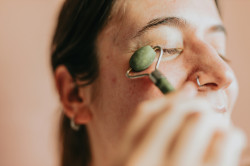
Your skin is your body’s largest organ, and it reacts quickly to environmental changes. Cold, dry air can strip away moisture, while heat and humidity can increase oil production and lead to breakouts.
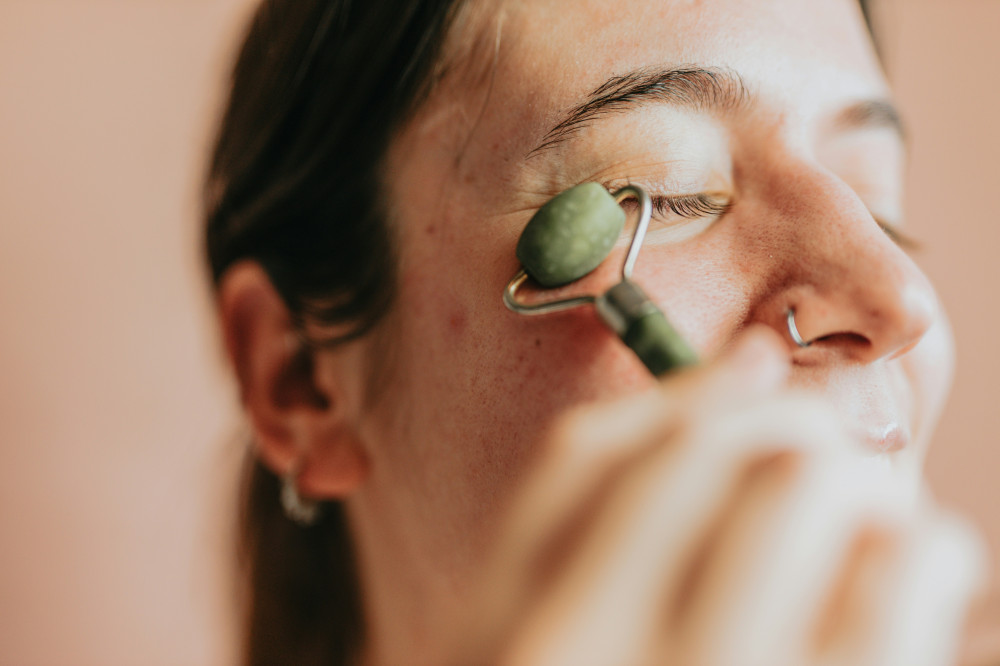
- Fall and Winter: During colder months, your skin needs extra hydration and protection. Swap lightweight gels and lotions for richer creams, and consider adding a serum with hyaluronic acid or ceramides. Avoid over-exfoliating, as it can worsen dryness and irritation.
- Spring and Summer: As temperatures rise, switch to lighter products. Use a daily moisturizer with SPF, and choose cleansers and hydrators that won’t clog pores. Gentle exfoliation a few times a week helps your skin renew itself after the winter months.
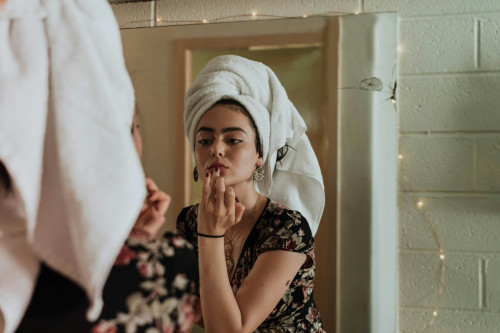
Adjusting your skincare routine with the weather is a simple way to maintain balance and prevent common issues like flakiness, redness, or excess shine.
Hair Care Through the Seasons
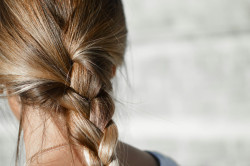
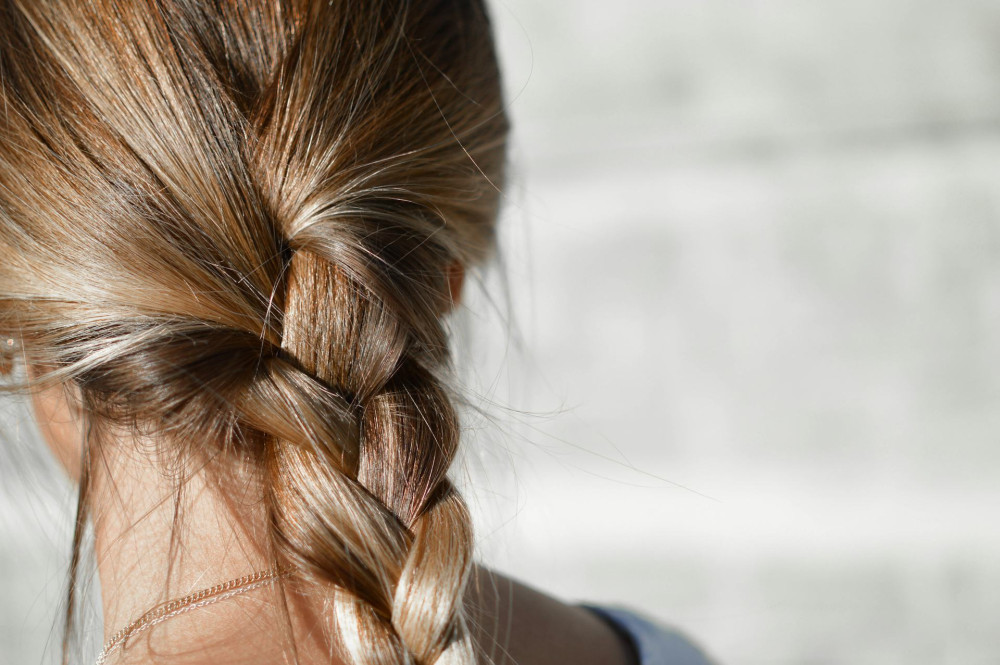
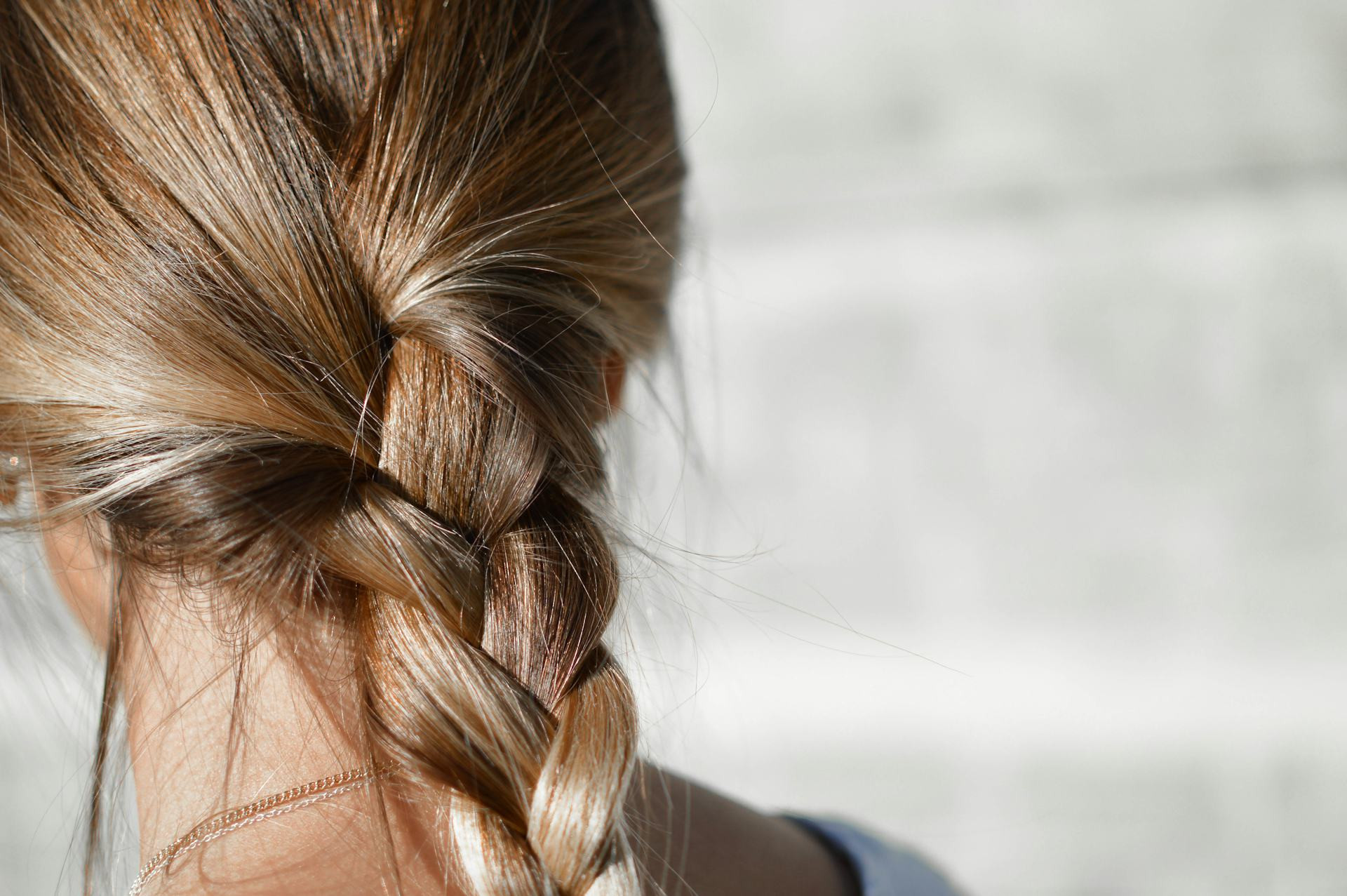
Your hair also responds to seasonal changes. Sun, wind, cold, and indoor heating can all affect its texture and health.
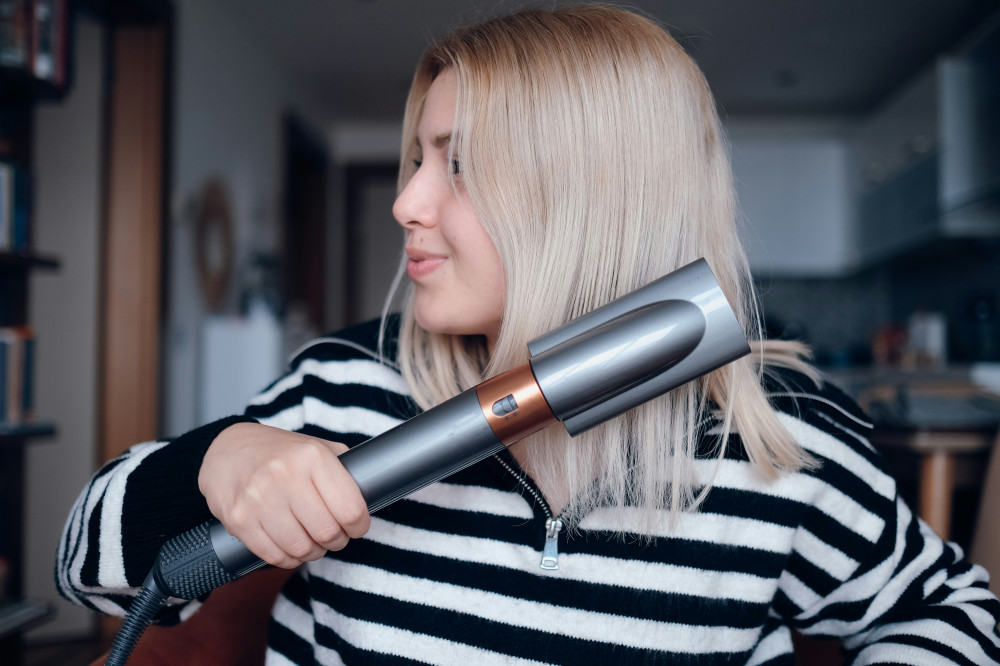
- In Winter: Use a deep-conditioning mask once a week and limit heat styling. A leave-in conditioner can help combat static and dryness caused by indoor heating.
- In Summer: UV protection is key. Look for hair products with built-in sun filters, and rinse your hair after swimming in the ocean or pool to remove salt and chlorine. A lightweight oil can add shine without weighing your hair down.
A great tip is to get a trim at the start of each season — it keeps your hair healthy and prevents split ends.
Adjusting Your Makeup to the Light
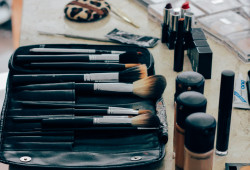
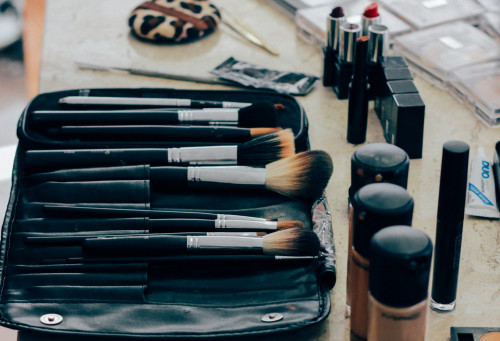
The quality of light changes throughout the year, and that affects how colors appear on your skin. In winter, your complexion may look paler, while in summer, it often has more warmth and glow.
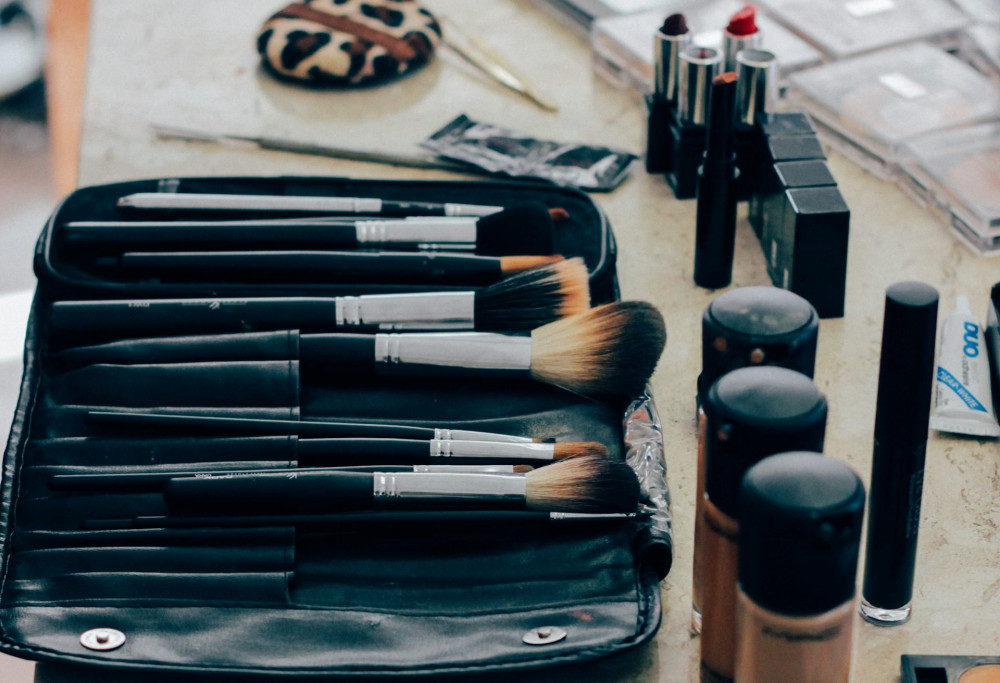
- Winter: Choose a foundation with a bit more moisture and a shade that matches your winter skin tone. Cream blushes and highlighters can bring life back to your face.
- Summer: Switch to lighter products like tinted moisturizers or mineral powders. Keep your makeup breathable and always include sun protection in your routine.
Adapting your makeup shades and textures to the season helps you achieve a natural, fresh look — no matter the weather.
Læs også:
Body and Wellness in Tune with Nature
Beauty isn’t just about what’s on the surface. Your body also needs support as the seasons change. Winter can make you feel sluggish, while spring often brings a sense of renewal.
- Eat seasonally: Fresh produce, berries, and healthy fats nourish your skin and hair from within.
- Stay hydrated: Especially in heated indoor spaces during winter, your body loses moisture faster.
- Move regularly: Exercise boosts circulation and gives your skin a natural glow.
Following nature’s rhythm can help you maintain both physical and mental balance.
Make Seasonal Transitions a Habit
Instead of overhauling your entire routine at once, make small adjustments with each seasonal shift. Swap out a moisturizer, add a serum, or tweak your hair care products. These gradual changes make the transition feel natural and sustainable — for both you and the environment.
Ultimately, adapting your beauty routine to the seasons is about listening to your body. When you give it what it needs, it shows — in your skin, your hair, and your overall sense of well-being.
Læs også: